 FREE SHIPPING ON ORDERS OVER $199!


Hard Top Vs Soft Top Jeep Convertible
Choosing between a hard top and soft top can change how your Jeep feels every day. The right option affects road noise, weather protection, open-air freedom, storage, maintenance, security, and overall driving comfort. That is why many Jeep owners compare hard top vs soft top Jeep options before upgrading, replacing, or switching their current roof system.
A hard top offers a more insulated and secure driving experience, while a soft top gives you faster open-air access and easier seasonal flexibility. The best choice depends on how you drive, where you park, your climate, and how often you want to remove the top.
Hard Top Vs Soft Top Jeep: Main Difference
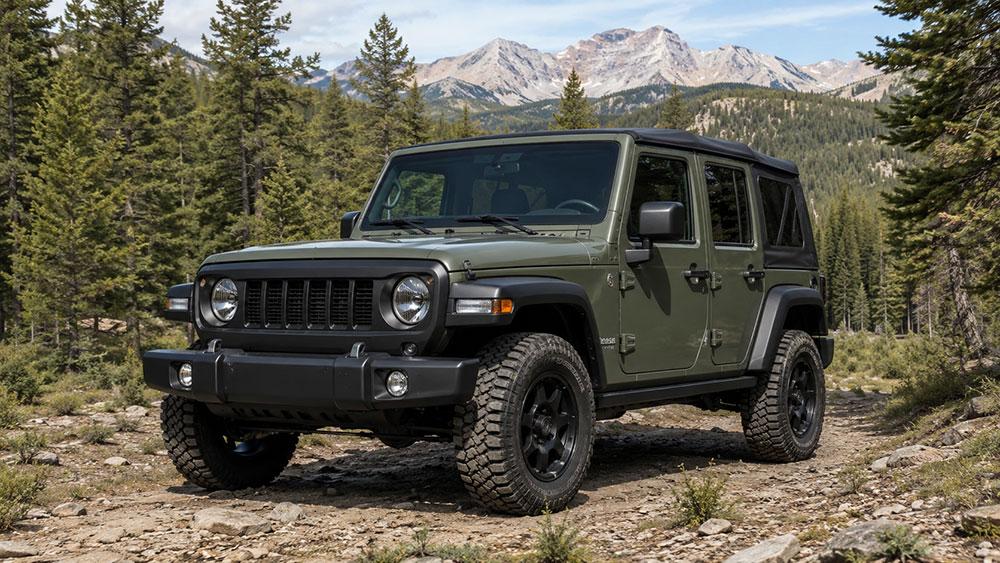
When comparing hard top vs soft top Jeep options, the biggest difference comes down to structure. A hard top is usually rigid, heavier, and more insulated, while a soft top is flexible, lighter, and easier to open or remove for outdoor driving.
What A Jeep Hard Top Offers
A Jeep hard top is designed for drivers who want stronger insulation, more security, and a quieter cabin. It is a good option for year-round driving, colder climates, and owners who prefer a more enclosed SUV feel. Hard tops can also be better for drivers who frequently park outside and want added resistance against weather and theft.
The tradeoff is weight and storage. Hard tops usually require more effort to remove, and many owners need a garage, hoist, or extra help to store them safely. If open-air driving is something you want often, a hard top may feel less convenient.
What A Jeep Soft Top Offers
A Jeep soft top is designed for flexibility. It allows drivers to enjoy open-air driving more easily, especially during warmer months. Many soft tops can be folded, removed, or adjusted faster than a hard top, making them popular with drivers who want convenience and adventure.
Soft tops may allow more cabin noise and may require more care, but they are highly practical for Jeep owners who value freedom, lighter weight, and easier seasonal changes. Auto Tops Direct offers Jeep soft top replacements for drivers who want to restore or upgrade their current setup.
Hard Top Vs Soft Top Jeep For Daily Driving
For daily driving, hard top vs soft top Jeep decisions usually depend on comfort, noise, parking conditions, and how often the Jeep is used in changing weather. A daily driver needs a top that matches routine use, not just weekend adventure plans.
Cabin Noise And Comfort
A hard top usually provides a quieter ride because the rigid shell blocks more road and wind noise. This can make commuting, highway driving, and long trips more comfortable. Drivers who spend a lot of time on paved roads may appreciate the more enclosed cabin feel.
A soft top may allow more wind noise, especially at higher speeds, but modern soft top materials can still provide dependable comfort when fitted properly. For drivers who accept a little more road sound in exchange for open-air convenience, a soft top can still be a strong daily option.
Parking And Security
Hard tops generally provide better theft resistance because they are more difficult to cut or unzip. If you park in public areas often, store gear in the vehicle, or use your Jeep for commuting, this added security may matter.
Soft tops are better when convenience is the priority. However, owners should avoid leaving valuables in sight and should make sure windows, zippers, latches, and seals are kept in good condition.
Hard Top Vs Soft Top Jeep For Weather Protection
Weather is one of the most important factors in the hard top vs soft top Jeep decision. Rain, snow, heat, UV exposure, and wind all affect how each top performs over time.
Rain And Snow Protection
A hard top usually provides stronger protection in heavy rain, snow, and freezing weather. The rigid structure helps reduce water intrusion when seals are maintained properly. This makes hard tops appealing for owners in colder regions or areas with frequent storms.
A soft top can still protect well when it is properly installed, correctly tensioned, and maintained. Problems are more likely when fabric is worn, windows are damaged, seals are dirty, or the top no longer fits tightly. Owners should inspect seams, zippers, windows, and attachment points regularly.
Sun And Heat Exposure
Soft tops face constant exposure to UV rays, which can fade material and weaken stitching over time. Regular cleaning and protection help extend soft top life. Drivers can review Auto Tops Direct’s guide on how to care for a convertible top for practical maintenance advice.
Hard tops can also fade or develop seal issues, but they are less vulnerable to fabric wear. Still, both options benefit from shaded parking, routine cleaning, and careful inspection.
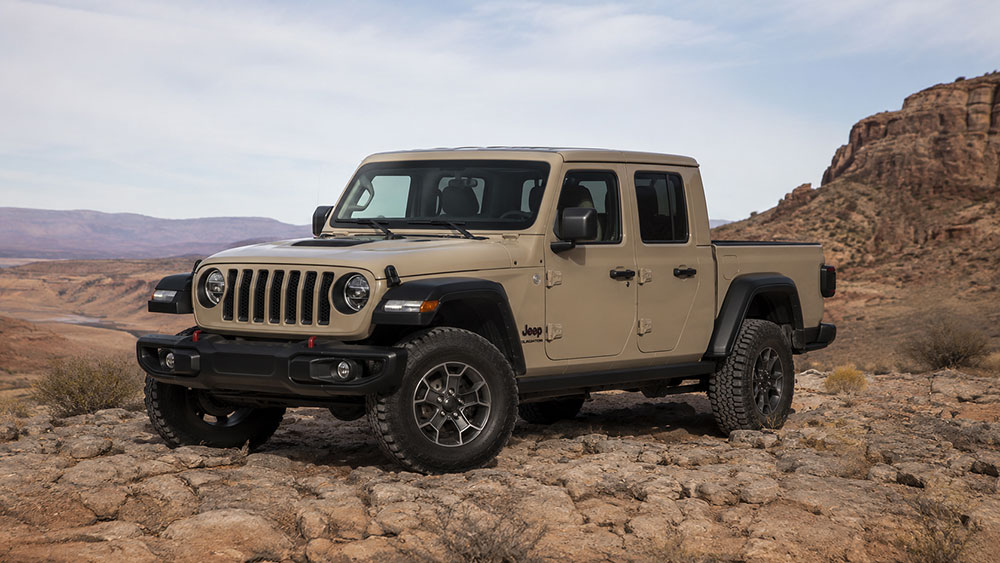
Hard Top Vs Soft Top Jeep For Off-Road Use
For off-road driving, hard top vs soft top Jeep comparisons become more about flexibility, trail conditions, cargo needs, and how exposed you want the cabin to be. Jeep owners often choose based on the type of trails they drive.
Soft Tops For Open-Air Adventure
Soft tops are popular with off-road drivers because they make it easier to enjoy the outdoors. They can be folded back or removed more conveniently, which creates a stronger open-air experience on trails, beach routes, and warm-weather drives.
Soft tops also weigh less than hard tops, which can make removal and seasonal changes easier. Drivers who frequently switch between covered and open driving often prefer the flexibility of a soft top.
Hard Tops For Rugged Protection
Hard tops can be better for off-roaders who travel through harsh weather, wooded trails, or dusty terrain. The rigid roof offers more cabin protection and can help keep gear safer inside the vehicle.
However, hard tops can be damaged by low branches or trail obstacles, and removing one before a trail day takes more planning. Jeep’s official 4×4 FAQ and off-road guide also reminds drivers to prepare the vehicle properly before off-road travel, which should include checking roof panels, latches, seals, and loose cargo.
Hard Top Vs Soft Top Jeep Cost Considerations
Cost is another major part of the hard top vs soft top Jeep decision. The total price can include the top itself, installation, replacement windows, hardware, maintenance supplies, storage equipment, and future repairs.
Hard Top Cost Factors
Hard tops are often more expensive upfront because of their rigid construction, size, and weight. They may also require storage solutions, a hoist, or extra help for removal. If the hard top includes rear glass, defroster wiring, wiper components, or insulation features, replacement and repair costs may be higher.
For some owners, the added cost is worth it because the hard top provides better security, weather insulation, and year-round practicality.
Soft Top Cost Factors
Soft tops can be more affordable and easier to replace depending on the style, fabric, window type, and Jeep model. Replacement may involve fabric, windows, frames, bow systems, door surrounds, seals, or hardware.
Auto Tops Direct carries options for Jeep models such as Wrangler TJ 1997 to 2002 soft tops and Wrangler JK 2007 to 2018 soft tops, helping owners match the correct top to their vehicle.
Hard Top Vs Soft Top Jeep Maintenance Needs
Maintenance should be part of every hard top vs soft top Jeep comparison because each option requires care to stay functional, clean, and weather-resistant. Neglecting the top can lead to leaks, noise, fading, or poor fit.
Soft Top Maintenance
A soft top should be cleaned gently with products designed for convertible or Jeep top materials. Harsh chemicals, stiff brushes, and high-pressure washing can damage fabric, windows, stitching, and seals. Soft windows also need careful cleaning to avoid scratches and clouding.
Owners should also avoid folding the top when it is wet whenever possible. Trapped moisture can lead to mildew, odors, and staining. Auto Tops Direct’s article on whether you can take a soft top convertible through a car wash explains why gentle cleaning methods are usually better for soft top materials.
Hard Top Maintenance
A hard top should be cleaned like painted or textured exterior material, depending on the finish. Seals should be kept clean and free from debris because dirty seals can cause leaks or wind noise. Latches, wiring connections, rear glass, and mounting hardware should also be checked before and after removal.
For model-specific procedures, owners should review official guidance through the Mopar owner’s manual resource, especially before removing roof panels or reinstalling a top.
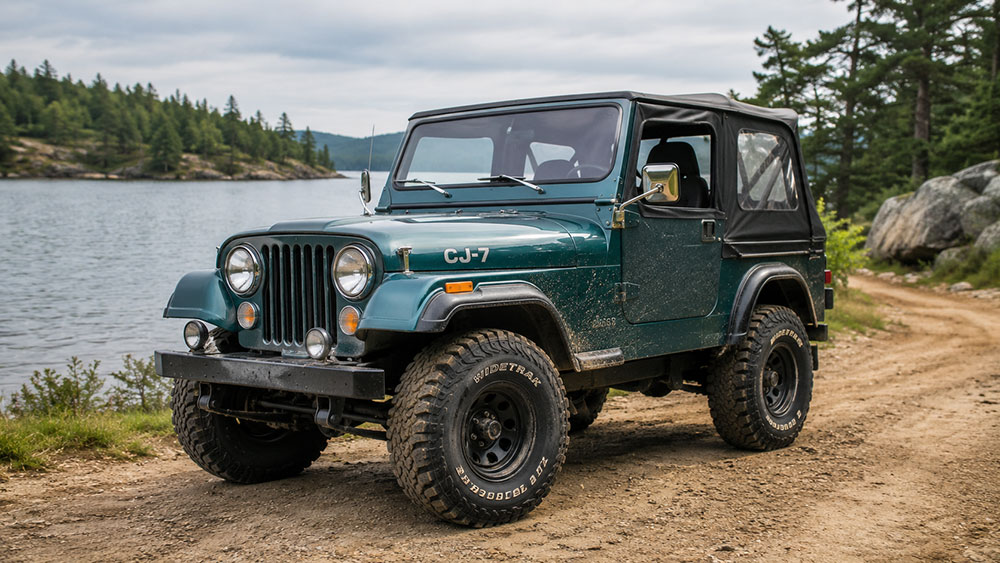
Hard Top Vs Soft Top Jeep Installation And Storage
Installation and storage are often overlooked in the hard top vs soft top Jeep debate. A top that looks perfect on paper may become inconvenient if it is difficult to remove, store, or reinstall.
Removing And Storing A Hard Top
Hard tops usually require more planning because they are heavy and bulky. Many owners use a garage hoist or ask another person for help. The top should be placed on a soft, stable surface to prevent scratches, cracks, and seal damage.
A hard top can be very practical once installed, but owners who want frequent open-air driving may find the removal process less convenient than expected.
Folding And Replacing A Soft Top
Soft tops are easier to fold, remove, or swap in many cases, but they still need proper handling. Zippers, windows, tension points, and fabric panels should be moved carefully to avoid tears or misalignment.
If your current soft top is worn, faded, or leaking, reviewing Auto Tops Direct’s about convertible top materials guide can help you understand how material quality affects fit, durability, and long-term appearance.
Two Additional Factors To Consider Before Choosing
Two extra details can make the hard top vs soft top Jeep decision easier: your seasonal driving habits and your long-term ownership plans. These factors help you choose a top that fits your life, not just your vehicle.
Seasonal Driving Habits
Some Jeep owners prefer a hard top in winter and a soft top in summer. This gives them insulation and security during colder months, then open-air convenience when the weather improves. This setup can be ideal, but it requires space to store whichever top is not being used.
If you only want one top year-round, choose the option that matches the conditions you face most often. Cold climates and heavy highway driving may favor hard tops, while warm climates and weekend adventure use may favor soft tops.
Long-Term Ownership Goals
If you plan to keep your Jeep for years, quality and fitment matter more than the lowest price. A well-fitted soft top can improve appearance, reduce leaks, and make the Jeep more enjoyable to drive. A worn or poorly installed top can create noise, water intrusion, and frustration.
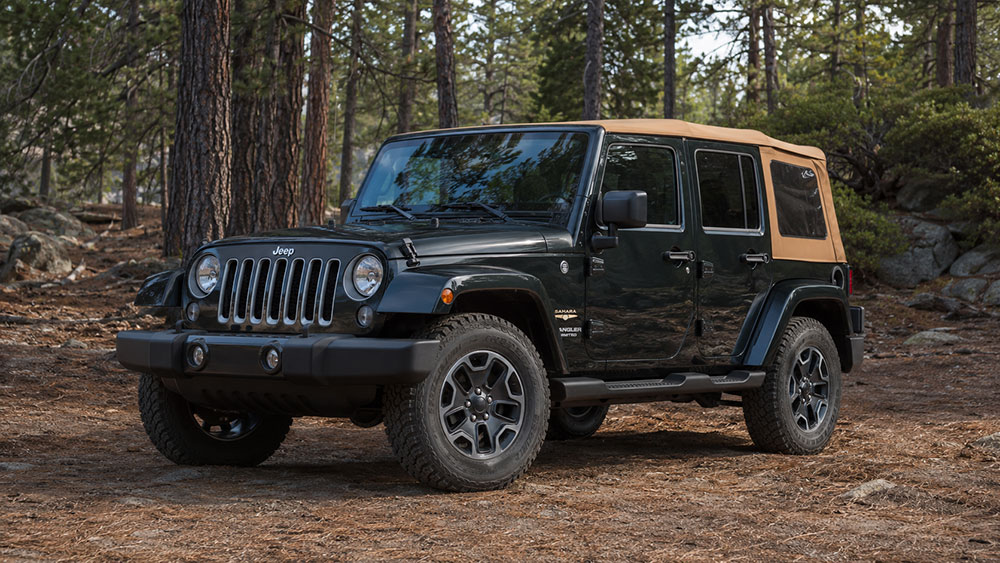
How To Decide Which Jeep Top Is Right For You
The best hard top vs soft top Jeep choice depends on how you balance comfort, freedom, security, storage, cost, and maintenance. There is no single winner for every driver.
Choose A Hard Top If You Want Maximum Insulation
A hard top is often the better choice if you drive in cold weather, park outside, want better security, or spend a lot of time on highways. It gives the Jeep a more enclosed and refined feel, which can make daily driving more comfortable.
It is also a strong choice if you rarely remove the roof and prefer protection over quick open-air access.
Choose A Soft Top If You Want Open-Air Flexibility
A soft top is usually the better choice if you love warm-weather driving, want easier roof access, and prefer a more flexible Jeep experience. It is especially useful for drivers who frequently switch between covered driving and open-air driving.
Soft tops also make sense for owners who want a lighter roof option and are willing to maintain the material properly. For many Jeep owners, that freedom is the reason they bought the vehicle in the first place.
FAQ
Is A Hard Top Or Soft Top Better For A Jeep?
A hard top is usually better for insulation, security, and winter driving. A soft top is better for open-air flexibility, easier removal, and warm-weather convenience.
Does A Jeep Soft Top Leak More Than A Hard Top?
A worn or poorly fitted soft top may leak more easily, but a properly installed and maintained soft top can provide dependable weather protection.
Is A Jeep Hard Top Quieter Than A Soft Top?
Yes, a hard top is usually quieter because the rigid structure blocks more wind and road noise than fabric or vinyl soft top materials.
Can You Use Both A Hard Top And Soft Top On A Jeep?
Many Jeep owners use a hard top in colder months and a soft top in warmer months, but storage space and compatibility should be considered.
How Long Does A Jeep Soft Top Last?
A Jeep soft top can last several years with proper care, but lifespan depends on material quality, climate, storage, cleaning habits, and how often it is folded or removed.
Conclusion
The hard top vs soft top Jeep decision comes down to how you use your vehicle. A hard top offers stronger insulation, security, and year-round protection, while a soft top delivers easier open-air driving, lighter handling, and more seasonal flexibility. If you drive through harsh winters or park outside often, a hard top may be more practical. If you want the true open-air Jeep experience, a quality soft top is often the better fit.
At Auto Tops Direct, we specialize in high-quality soft convertible tops designed for durability, proper fit, and long-lasting style. Whether you are replacing a worn Jeep top, upgrading your current setup, or preparing for more open-air driving, our Jeep soft top replacements are built to help protect your vehicle while keeping every drive ready for adventure.
The Mustang convertible top replacement cost can vary based on your Mustang’s model year, top material, rear window type, labor rates, installation complexity, and whether additional parts need replacement. For many owners, replacing the soft top is not just a cosmetic upgrade. It helps protect the interior from leaks, improves weather resistance, restores the vehicle’s appearance, and supports long-term value.
A Mustang soft top includes more than fabric. It involves seams, tension points, rear glass or plastic window sections, weather seals, cables, frame alignment, and proper installation. Understanding each cost factor helps you budget realistically and avoid choosing a replacement based only on the lowest upfront price.
What Affects Mustang Convertible Top Replacement Cost?
The Mustang convertible top replacement cost is shaped by the condition of the vehicle, the type of replacement top, the generation of Mustang, and the labor required to install it correctly. A simple fabric replacement on a well-maintained frame may cost less than a full restoration that includes cables, seals, headliner work, or frame adjustments.
Mustang Model Year And Top Design
Different Mustang generations use different convertible top designs, attachment methods, rear window styles, and frame layouts. A Fox Body Mustang, SN95 Mustang, New Edge Mustang, or S197 Mustang may require different parts and labor time. That is why it is important to match the replacement top to the exact year range before estimating the project.
Owners can compare vehicle-specific options such as Mustang 1991 to 1993 convertible tops, Mustang 1994 to 2004 convertible tops, and Mustang 2005 to 2014 convertible tops to better understand how fitment and generation affect replacement choices.
Condition Of The Existing Top And Frame
If the old top is only faded or cracked, the replacement may be straightforward. If there are leaks, rust, damaged weather seals, worn cables, bent frame parts, or rear window separation, the final cost may increase. A good installer will inspect these areas before giving a firm estimate because hidden damage can affect the finished result.
Typical Mustang Convertible Top Replacement Cost Range
The Mustang convertible top replacement cost often includes both the replacement top and installation labor. A complete project can vary widely, but many convertible top replacements commonly fall into a broad range depending on parts, labor, material quality, and vehicle condition.
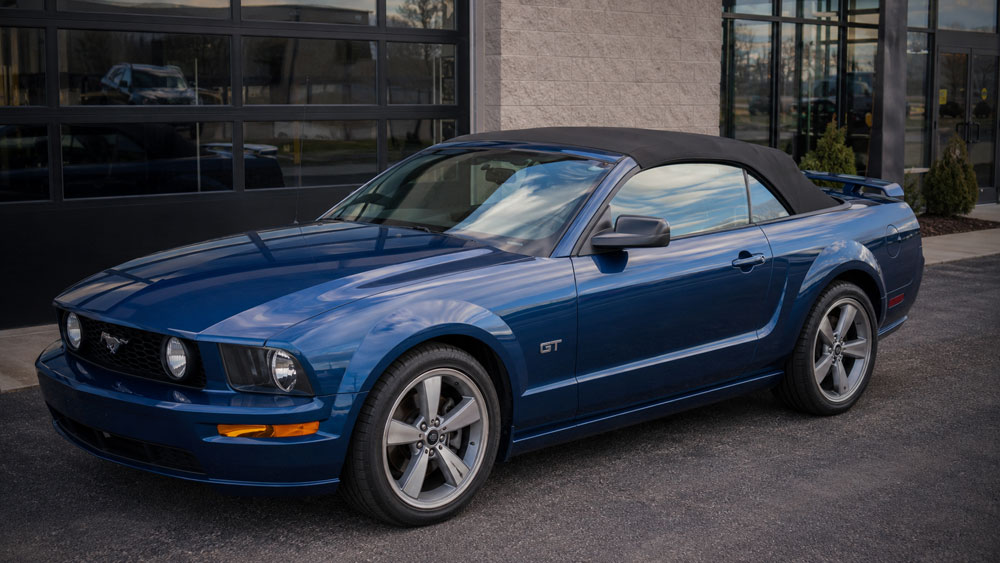
Parts Cost Depends On Material And Window Type
The replacement top itself can range from budget-friendly vinyl options to higher-end canvas or acoustic materials. Rear window type also affects price. A heated glass window usually costs more than a plastic window, but many Mustang owners prefer glass for visibility, durability, and a more finished look.
Auto Tops Direct’s Mustang listings show that material selection can make a noticeable difference, with 2005 to 2014 Mustang options including vinyl, sailcloth-style materials, acoustic vinyl, and twill canvas choices. The right choice depends on whether your priority is budget, factory-style appearance, premium feel, or long-term durability.
Labor Cost Depends On Installation Complexity
Labor can be a major part of the final cost because convertible top installation requires careful stretching, stapling, alignment, sealing, and inspection. The FTC auto repair basics recommends getting a written estimate that identifies the repair condition, needed parts, and expected labor before authorizing work.
A professional installer may also check weatherstripping, frame operation, side tension, rear window fit, and drainage areas. This additional inspection helps prevent leaks and fitment problems after the new top is installed.
Vinyl Vs Canvas Mustang Convertible Tops
The Mustang convertible top replacement cost changes depending on whether you choose vinyl, canvas, or a premium fabric option. Each material has different advantages, and the best choice depends on your budget, driving habits, climate, and expectations for appearance.
Vinyl Convertible Tops
Vinyl is often chosen by Mustang owners who want a practical, cost-conscious replacement. It can deliver a classic convertible look, good water resistance, and easier cleaning. For older Mustangs or drivers working with a controlled budget, vinyl may be a smart option.
However, vinyl still needs proper care. Sun exposure, harsh cleaning products, and long-term neglect can cause cracking or stiffness. Choosing a quality vinyl top and maintaining it correctly can help improve service life.
Canvas And Cloth Convertible Tops
Canvas and cloth tops usually cost more, but they can provide a more refined appearance and premium feel. Many owners choose cloth when restoring a Mustang they plan to keep long-term or when they want a more upscale finish.
If you are comparing fabric options, Auto Tops Direct’s guide to replacement convertible top material options can help explain how different materials affect appearance, durability, and value.
Installation Quality And Fitment Matter
The Mustang convertible top replacement cost should always be evaluated alongside installation quality. A low-cost replacement can become expensive if the top wrinkles, leaks, pulls unevenly, or fails to seal correctly.
Why Proper Fit Is Critical
A Mustang convertible top must fit tightly without overstressing the seams, frame, latches, or rear window. If the top is too loose, it may flap, sag, leak, or create wind noise. If it is too tight, it may strain the material and make the top harder to close.
When Professional Installation Is Worth It
Some experienced owners may consider DIY installation, but Mustang convertible top replacement is often best handled by a trained installer. Professionals understand tensioning, frame alignment, window placement, staple patterns, weather seals, and leak prevention.
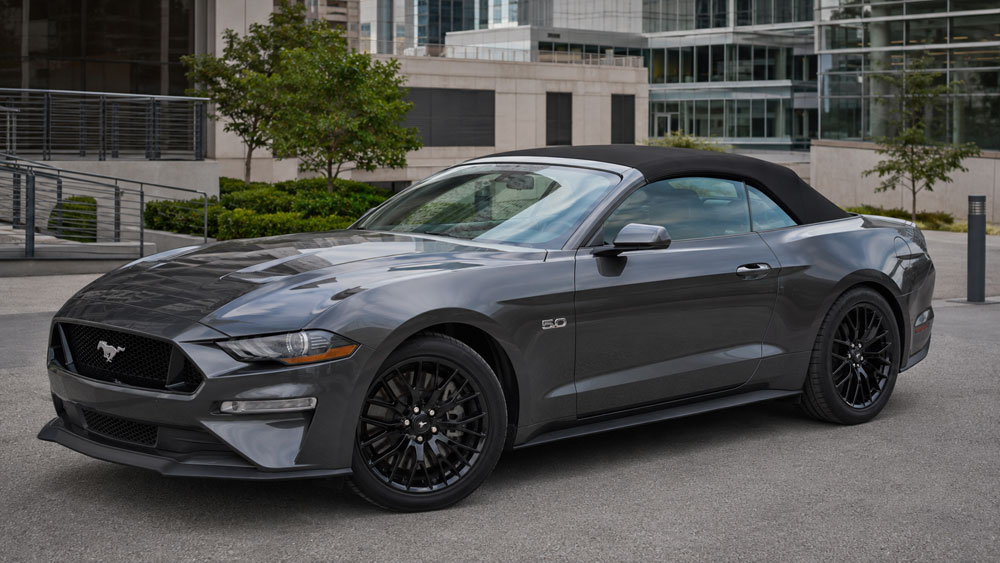
Extra Parts That Can Increase Replacement Cost
The Mustang convertible top replacement cost can rise when supporting parts need attention. These parts may not be obvious until the old top is removed, but they can affect how well the new top performs.
Headliners, Pads, Cables, And Seals
Some Mustang convertible tops may require new pads, tension cables, weatherstripping, or headliner components depending on age and condition. If these parts are worn, installing a new top over them may not solve leaks, noise, or fitment problems.
A worn tension system can cause the top to sit unevenly, while old seals may allow water or wind into the cabin. Replacing these parts during the top installation can add cost, but it may prevent future rework.
Rear Window And Defroster Considerations
A rear glass window with defroster connections may increase the parts cost, but it can improve daily usability. Clear visibility, reliable sealing, and strong window bonding are especially important for drivers who use their Mustang in changing weather.
If the rear window section is separating or fogged beyond repair, replacement is often the better long-term solution compared with repeated patching.
Repair Vs Replacement: Which Is Smarter?
The Mustang convertible top replacement cost may feel high at first, but repair is not always the better value. The decision depends on the size of the damage, the age of the top, and whether leaks or material failure are spreading.
When Repair May Work
Small cuts, limited seam issues, or minor window concerns may be repairable if the rest of the top is still flexible, well-fitted, and weather-tight. Owners can review Auto Tops Direct’s guide on whether tears or cuts on a convertible top can be repaired before deciding whether a patch or replacement makes more sense.
Repair is usually most practical when the damage is isolated. If the material is still strong and the seals are in good condition, repair may extend the life of the top.
When Full Replacement Is Better
Replacement is usually smarter when the top has multiple leaks, brittle material, heavy fading, shrinking, separated seams, failed window bonding, or repeated repairs that no longer hold. At that point, a new top can restore protection and improve the entire look of the vehicle.
A full replacement is also more logical when you are restoring a Mustang for long-term ownership, resale, or show-quality appearance.
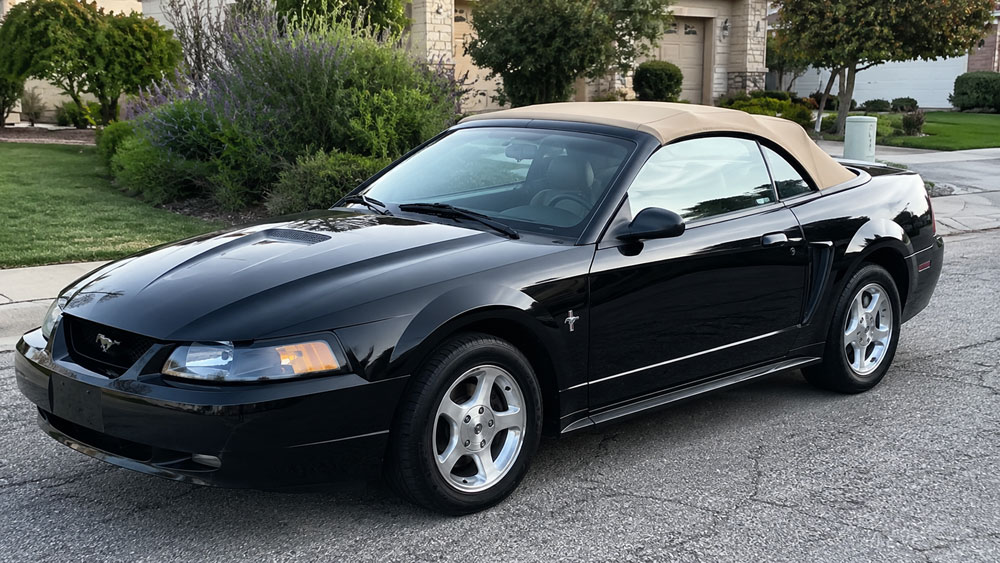
How To Maintain A New Mustang Convertible Top
The Mustang convertible top replacement cost becomes a better investment when the new top is cared for properly. Maintenance helps protect the material, seams, rear window, and seals from premature wear.
Clean The Top With The Right Products
Ford’s convertible top care guidance recommends using approved convertible top cleaner and protectant for cloth and vinyl tops and warns against stiff bristle brushes, abrasive materials, household cleaning products, and high-pressure water because they can damage the top or seals.
Using the correct cleaning routine helps prevent fading, staining, cracking, and material breakdown. Gentle cleaning is especially important around seams, window bonding, and edges.
Do Not Fold The Top While Wet
Ford also warns not to fold the convertible top when it is wet. Trapped moisture can lead to mildew, odor, staining, and fabric wear over time.
Whenever possible, let the top dry completely before lowering it. If the car must be stored outdoors, a breathable cover and regular cleaning can help reduce long-term weather damage.
Two Cost Factors Mustang Owners Often Overlook
The Mustang convertible top replacement cost is easier to understand when you account for details that are not always listed in the first estimate. These overlooked factors can affect both price and final quality.
Shop Estimate Details
Not all installation estimates include the same work. One shop may include removal, inspection, cleanup, installation, tension adjustment, and leak testing, while another may quote only basic labor. This makes it important to ask what is included before comparing prices.
A written estimate should clearly explain parts, labor, and any possible additional costs. If extra seals, hardware, or repairs are likely, ask whether they are included or billed separately.
Long-Term Value Of Better Materials
A cheaper top may lower the initial cost, but premium materials can offer a better appearance, improved feel, and longer-lasting performance. If you plan to keep your Mustang for years, choosing a higher-quality material may help reduce the chance of replacing the top again sooner than expected.
Long-term value is especially important for restored Mustangs, weekend cars, collector vehicles, and owners who want the top to match the car’s overall condition.
How To Budget For A Mustang Convertible Top Replacement
The Mustang convertible top replacement cost should be planned as a complete project rather than just a parts purchase. A good budget includes the top, labor, possible hardware, inspection, and maintenance products after installation.
Compare Parts And Labor Separately
Ask installers to separate the cost of the top from the cost of labor. This helps you understand whether the price difference is coming from material choice, labor rate, added parts, or installation complexity.
You can also use Auto Tops Direct’s general guide on how much to replace a convertible top to understand common cost factors before requesting local installation quotes.
Choose The Right Top For Your Mustang’s Purpose
A daily-driven Mustang may need a durable, easy-care material, while a restored or weekend Mustang may justify a premium cloth option. If your Mustang is parked outside often, weather resistance and UV durability become more important.
The right top should match your vehicle year, driving habits, climate, and long-term ownership plans. Choosing the correct replacement from the start helps protect both your budget and your vehicle.
FAQ
What Is The Average Mustang Convertible Top Replacement Cost?
The cost varies by Mustang generation, material, rear window type, labor rates, and whether extra parts are needed. A complete replacement can range widely depending on parts and installation complexity.
Is Vinyl Or Canvas Better For A Mustang Convertible Top?
Vinyl is often more budget-friendly and easier to clean, while canvas or cloth usually provides a more premium appearance and feel. The best choice depends on your budget and long-term goals.
Can I Replace A Mustang Convertible Top Myself?
Some experienced DIY owners can replace a top, but professional installation is often recommended because fitment, tension, sealing, and window alignment are critical.
Why Does Labor Cost So Much For Convertible Top Replacement?
Labor costs are higher because installation requires careful removal, stretching, fastening, alignment, sealing, and inspection to prevent leaks and poor fitment.
When Should I Replace My Mustang Convertible Top?
You should consider replacement when the top leaks, shrinks, cracks, fades badly, separates at the seams, has rear window failure, or no longer seals properly.
Conclusion
The Mustang convertible top replacement cost depends on the model year, material, rear window style, labor, installation quality, and condition of related parts. A lower-cost vinyl top may be right for a practical refresh, while a premium canvas or acoustic material may be better for long-term restoration and a more refined finish. The best value comes from choosing the correct top, planning for proper installation, and protecting the new material with regular care.
At Auto Tops Direct, we manufacture high-quality soft convertible tops designed for accurate fit, durable performance, and long-lasting style. Whether you own an older Fox Body, a 1994 to 2004 Mustang, or a 2005 to 2014 model, our Ford Mustang convertible tops are built to help restore your vehicle’s appearance, protect the cabin, and keep your Mustang ready for the open road.
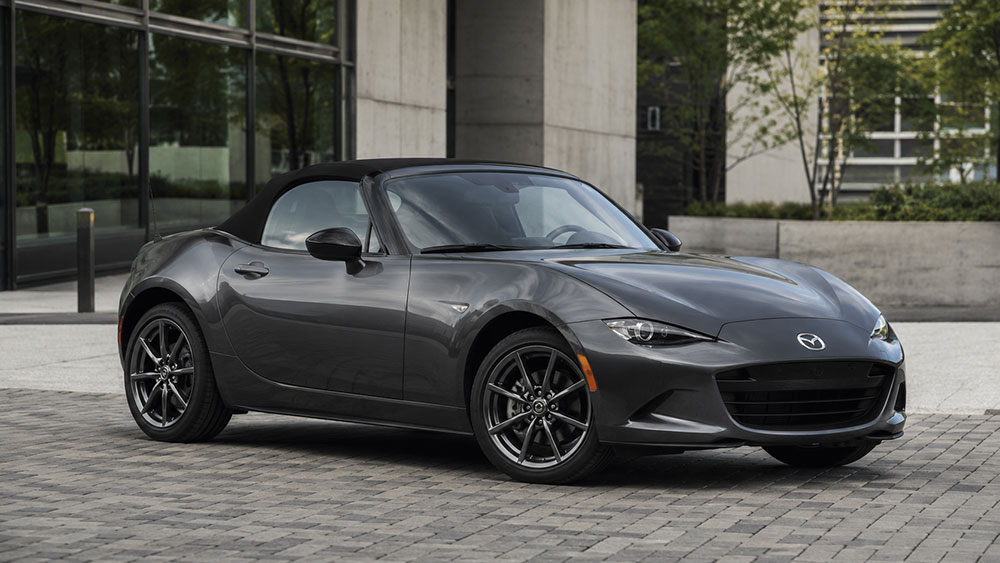
The Mazda Miata soft top replacement cost depends on the Miata generation, top material, rear window type, labor rates, rain rail condition, hardware needs, and whether you choose DIY installation or professional service. For many owners, replacing the soft top is one of the most important maintenance upgrades because the top protects the cabin, improves appearance, prevents leaks, and helps preserve the car’s value.
A Miata soft top is not just a piece of fabric. It includes tension points, seams, rear window integration, frame alignment, drainage areas, and weather sealing. Understanding what goes into the project helps you budget more accurately and avoid choosing a replacement based only on the lowest upfront price.
What Affects Mazda Miata Soft Top Replacement Cost?
The Mazda Miata soft top replacement cost is influenced by several details that work together, including the top style, material quality, installation complexity, and any worn parts discovered during removal.
Miata Generation And Top Design
Different Miata generations use different top designs, attachment methods, window styles, and hardware requirements. A 1990 to 2005 Miata soft top may have different replacement needs than a 2006 to 2015 Miata MX-5. Older cars may also have worn seals, damaged rain rails, stretched cables, or frame issues that increase the final cost.
Owners comparing options can review Auto Tops Direct’s Mazda Miata 1990 to 2005 convertible tops or Mazda Miata 2006 to 2015 convertible tops to match the replacement top to the correct model range.
Material Choice And Rear Window Type
Vinyl tops are often more budget-friendly, while canvas or cloth tops usually cost more because they offer a more premium appearance and feel. Rear window type also matters. Plastic windows may cost less, while heated glass windows can increase the total project price but often improve visibility, durability, and daily usability.
If you are comparing vinyl, canvas, and other fabric choices, Auto Tops Direct’s guide to replacement convertible top material options can help you understand how materials affect price, appearance, and performance.
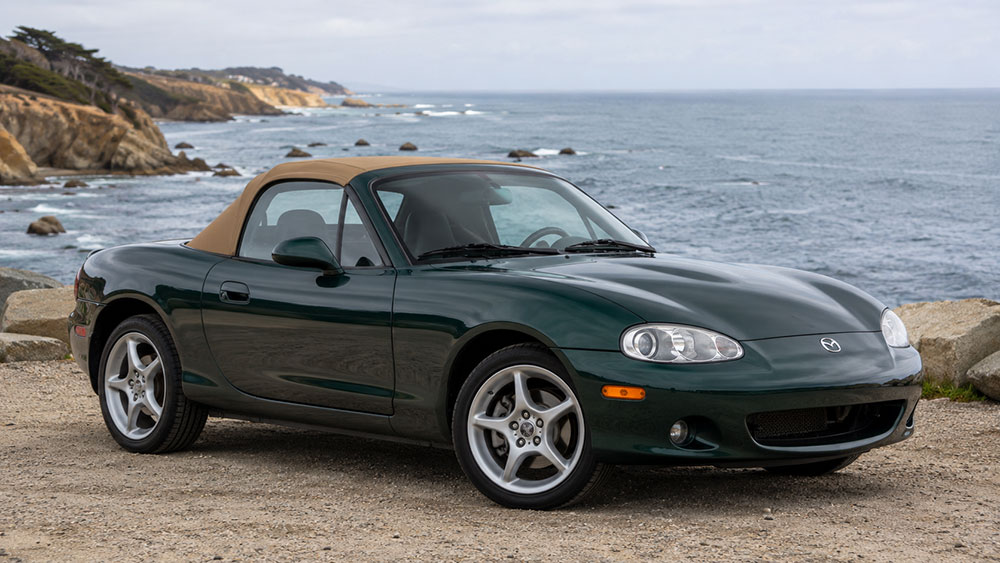
Typical Mazda Miata Soft Top Replacement Cost Range
The Mazda Miata soft top replacement cost can vary widely because some owners replace only the top material, while others need a full professional installation with additional parts. A realistic budget should include the soft top, installation labor, seals, rain rail, tension cables, and any hardware that may need replacement.
DIY Replacement Cost Considerations
A DIY replacement can reduce labor costs, but it requires patience, tools, workspace, and confidence working with trim, fasteners, tensioning, and alignment. The top must be stretched and secured correctly so it seals properly and operates smoothly. A low-cost DIY job can become expensive if the top wrinkles, leaks, tears, or needs to be reinstalled.
Miata owners who want to understand the installation process can review Auto Tops Direct’s how to install a convertible top resource before deciding whether DIY installation is realistic.
Professional Installation Cost Considerations
Professional installation usually costs more upfront, but it can save time and reduce the risk of fitment problems. Labor pricing depends on the shop, region, top style, model year, and whether additional parts are needed. The FTC auto repair basics guide recommends asking repair shops about pricing, comparing warranty policies, and getting a written estimate before authorizing work.
Professional installers can also inspect the frame, seals, cables, and rain rail while the old top is removed. That inspection is important because hidden wear can affect how well the new top performs.
Parts That Can Increase The Total Replacement Cost
The Mazda Miata soft top replacement cost is not always limited to the fabric itself. Miata soft top systems rely on several supporting parts that may need replacement during the project.
Rain Rail Replacement
The rain rail helps direct water away from the cabin and into the drainage system. If the rain rail is cracked, brittle, warped, or leaking, replacing only the soft top may not solve water intrusion. For older Miatas, the Mazda 1990 to 2005 Miata rain rail may be an important part of a complete repair plan.
Skipping a worn rain rail can lead to leaks even after a new top is installed. This is one reason a careful inspection matters before finalizing the budget.
Side Tension Cables And Hardware
Side tension cables help the top fit tightly along the sides of the frame. If they are stretched, broken, or missing, the top may not sit correctly against the windows and seals. For certain Miata models, replacing Mazda Miata side tension cables can improve fit and reduce the risk of wind noise or water entry.
Hardware, seals, clips, and fasteners can also add to the final cost. These smaller parts are easy to overlook, but they can make a major difference in the finished result.
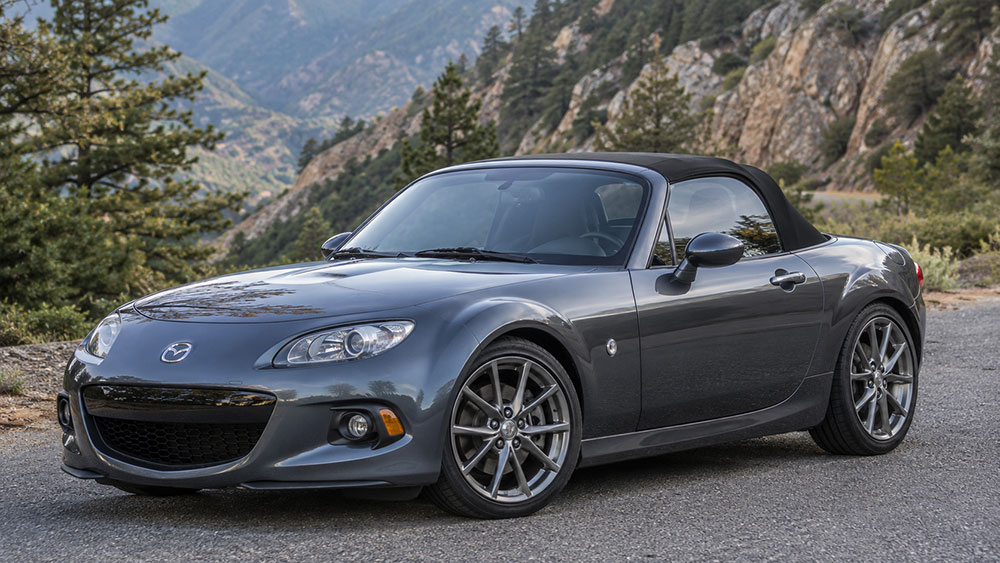
Vinyl Vs Canvas: Which Option Costs More?
The Mazda Miata soft top replacement cost often changes based on whether you choose vinyl or canvas. Both materials can work well, but each has different strengths, maintenance needs, and price expectations.
Vinyl Soft Tops
Vinyl is often chosen by Miata owners who want a practical replacement at a lower price point. It is easier to clean, has a classic convertible look, and can provide dependable protection when properly installed and maintained. Vinyl may be a smart choice for owners restoring an older Miata on a controlled budget.
However, vinyl can be more vulnerable to cracking or hardening if neglected, exposed to harsh sunlight, or cleaned with the wrong products. Regular care is important if you want the top to last.
Canvas And Cloth Soft Tops
Canvas and cloth tops usually cost more, but many owners prefer them for their premium appearance, texture, and factory-style feel. They can also be a strong choice for Miata owners who plan to keep the car long-term and want a more refined finished look.
Canvas tops still need proper cleaning and protection. Mazda’s official soft top care guidance warns that dirt left too long can cause deterioration and recommends cleaning with a soft brush, neutral detergent, plenty of water, and complete drying before lowering the top.
Labor Quality And Fitment Matter More Than Many Owners Expect
The Mazda Miata soft top replacement cost should be evaluated alongside installation quality. A well-made top can underperform if it is installed poorly, while a precise installation can help the new top seal, fold, and look better.
Why Fitment Is Critical
A Miata soft top must fit tightly without overstressing seams, windows, latches, or frame components. If the top is too loose, it may flap, wrinkle, leak, or create wind noise. If it is too tight, it may strain seams or become difficult to latch.
When To Use A Professional Installer
If you do not have experience installing convertible tops, professional installation is usually worth considering. Installers understand stretching, alignment, frame tension, rear window positioning, and weather sealing.
A professional can also identify whether leaks are caused by the top, drains, seals, rain rail, or alignment rather than assuming the fabric alone is the problem.
Signs Your Miata Soft Top Needs Replacement
The Mazda Miata soft top replacement cost becomes easier to justify when the existing top is no longer protecting the car properly. Waiting too long can lead to interior damage, mold, odor, and electrical issues.
Leaks, Damp Carpets, And Musty Odors
Water inside the cabin is one of the clearest signs that something is wrong. Leaks may appear around the rear window, side seals, header area, seams, or rain rail. If carpet stays damp or the cabin develops a musty smell, the issue should be inspected quickly.
Mazda’s soft top guidance also notes that blocked drain filters can allow water into the vehicle and recommends cleaning the drain filter at least once a year.
Cracking, Shrinking, Tears, And Window Damage
Cracks, tears, shrinking fabric, loose seams, and cloudy or damaged rear windows can all indicate that replacement is the better option. Small isolated damage may sometimes be repairable, but widespread deterioration usually means the top has reached the end of its useful life.
If you are unsure whether damage can be patched, Auto Tops Direct explains when tears or cuts on a convertible top can be repaired and when replacement may be smarter.
Two Additional Cost Factors Miata Owners Often Miss
The Mazda Miata soft top replacement cost may increase when owners overlook preparation and long-term maintenance. These two areas are not always obvious at the beginning, but they can affect the final result.
Old Adhesive, Rust, And Drainage Problems
Older Miatas may have hidden issues under trim pieces or behind the old top. Rust, old adhesive, clogged drains, damaged seals, and worn mounting points can add labor time. These problems are easier to address while the old top is removed than after the new one is installed.
A careful inspection before installation helps avoid surprises. It also helps protect the new top from being installed over problems that could cause leaks or fitment issues later.
Shop Estimates And Warranty Terms
Not all installation quotes include the same work. One shop may include removal, cleanup, inspection, tensioning, and leak testing, while another may only quote basic labor. The California Bureau of Automotive Repair advises consumers to get an estimate first and says repair estimates should show expected parts and labor costs.
Before approving work, ask what is included, whether the quote covers extra parts, and what warranty applies to labor. A clear estimate helps you compare real value instead of choosing based only on the lowest number.
How To Keep Your New Miata Soft Top In Better Shape
The Mazda Miata soft top replacement cost feels like a better investment when the new top is properly maintained. Good care can extend the life of the material and help prevent early replacement.
Clean The Top Before Dirt Builds Up
Do not wait until the top is heavily stained or embedded with dirt. Regular gentle cleaning helps prevent deterioration, discoloration, and material breakdown. Use products appropriate for the top material and avoid harsh chemicals, bleach, alcohol, gasoline, or abrasive cleaners.
Mazda also cautions against automatic and high-pressure car washes for soft convertible tops because they can be harmful and may force water into sensitive areas.
Let The Top Dry Before Lowering
Lowering a wet soft top can trap moisture in folds and seams. Over time, that can encourage mildew, odor, staining, and fabric wear. Whenever possible, allow the top to dry completely before folding it down, especially before storage.
Keeping the car covered or garaged when possible can also reduce UV exposure, weather damage, and long-term material stress.
FAQ
What Is The Average Mazda Miata Soft Top Replacement Cost?
The cost varies based on model year, material, rear window type, labor rates, and whether parts like the rain rail or tension cables are needed. Professional installation usually costs more than DIY, but it can provide better fitment and sealing.
Is It Cheaper To Replace A Miata Soft Top Yourself?
DIY replacement can reduce labor cost, but it requires skill, time, and careful installation. If the top is installed incorrectly, leaks and fitment problems may cost more to fix later.
Should I Choose Vinyl Or Canvas For A Miata Soft Top?
Vinyl is often more affordable and easy to clean, while canvas usually offers a more premium look and feel. The best choice depends on your budget, climate, and long-term plans for the car.
Do I Need To Replace The Rain Rail With The Soft Top?
Not always, but older or damaged rain rails should be replaced to prevent leaks. A worn rain rail can cause water problems even with a new soft top.
How Long Does A Miata Soft Top Replacement Take?
Timing depends on the installer, vehicle condition, and parts needed. A professional shop can give a more accurate timeline after inspecting the car and replacement top.
Conclusion
The Mazda Miata soft top replacement cost depends on the generation, top material, window type, installation method, rain rail condition, and supporting hardware. A lower-cost vinyl top may work well for budget-focused owners, while a premium canvas top with professional installation may be better for long-term restoration, appearance, and daily comfort. The key is choosing the correct top, planning for related parts, and making sure the installation is done properly.
At Auto Tops Direct, we manufacture high-quality soft convertible tops built for accurate fit, durability, and long-lasting style. Whether you are restoring an early Miata or upgrading a later MX-5, our Mazda Miata convertible top replacements are designed to help protect your vehicle, improve its appearance, and keep every open-air drive ready for the road.
Convertible tops are exposed to sunlight, rain, dirt, wind, and constant movement, which makes material choice extremely important. Many car owners ask: what is the best convertible top material for durability, appearance, and long-term performance? The answer depends on your climate, driving habits, budget, and maintenance expectations.
Modern convertible tops are commonly made from vinyl or canvas-based materials, each offering unique advantages. Some prioritize affordability and easy maintenance, while others focus on luxury appearance, sound insulation, and long-term durability.
What Is The Best Convertible Top Material For Daily Driving?
When evaluating what is the best convertible top material, daily driving conditions should be one of the first considerations.
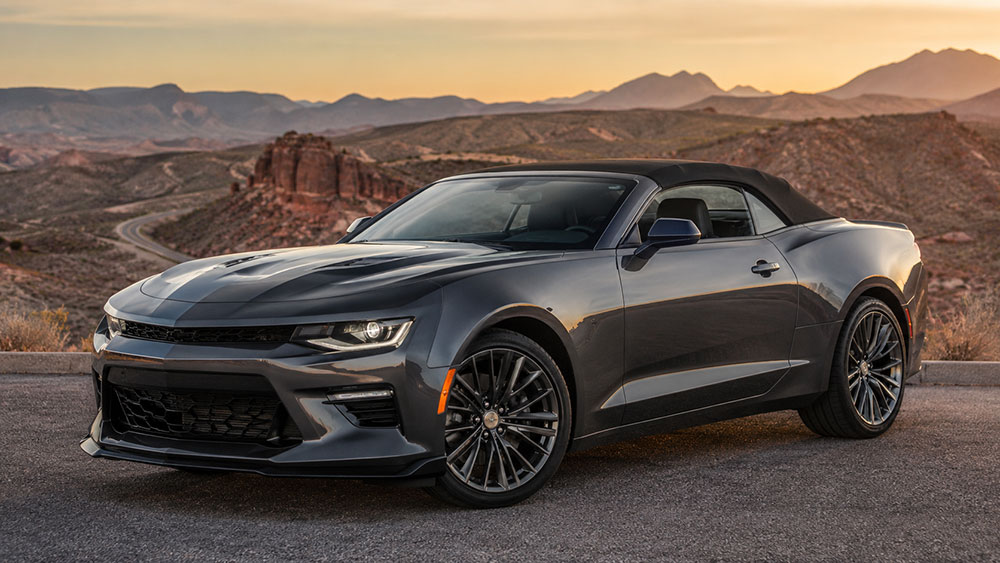
A material that works well for occasional weekend use may not perform the same under constant exposure and frequent operation.
Vinyl Convertible Tops
Vinyl tops are popular because they are affordable, water-resistant, and relatively easy to maintain. They provide a clean appearance and are commonly used on many factory-installed convertible tops. Vinyl is especially practical for drivers looking for a lower-maintenance option.
However, vinyl can become stiff or crack over time if exposed to extreme temperatures and UV rays without proper care. While durable, it may not offer the same premium look or texture as higher-end materials.
Canvas And Cloth Convertible Tops
Canvas or cloth tops are often considered more upscale. These materials usually feature multiple layers that improve insulation, reduce road noise, and create a more refined appearance. Many luxury convertibles use canvas-style materials because they resemble traditional high-end soft tops.
Cloth tops generally require more maintenance than vinyl because dirt and moisture can penetrate the outer layer more easily. However, with proper care, they often maintain their appearance for many years.
What Is The Best Convertible Top Material For Weather Resistance?
Weather exposure plays a major role when deciding what is the best convertible top material. Rain, heat, snow, and UV exposure all affect performance differently depending on the material.
Performance In Hot Climates
In areas with strong sunlight and high temperatures, UV resistance is critical. Some modern canvas materials are treated with UV-resistant coatings that help reduce fading and deterioration. Vinyl also performs well in heat but may become brittle over time if neglected.
Performance In Wet And Cold Conditions
Water resistance matters in rainy or snowy environments. Vinyl naturally resists water well, while canvas tops depend more heavily on protective coatings and proper maintenance. Cold weather can also affect flexibility, especially if the top is folded frequently in freezing temperatures.
What Is The Best Convertible Top Material For Longevity?
Longevity is one of the biggest factors people consider when researching what is the best convertible top material. Material quality and maintenance habits both influence lifespan.
Multi-Layer Construction Benefits
High-quality convertible tops often use multiple layers for insulation, durability, and structural stability. Multi-layer materials generally last longer and provide better sound reduction than single-layer options.
Maintenance Impacts Lifespan
Even the best material can fail early without proper care. Regular cleaning, protective treatments, and proper storage help prevent cracking, shrinking, and fading.
Comparing Vinyl And Canvas Convertible Tops
Most discussions around what is the best convertible top material come down to comparing vinyl and canvas.
Vinyl Pros And Cons
Vinyl is more affordable, easier to clean, and naturally water-resistant. However, it may not deliver the same premium appearance or long-term softness as cloth materials.
Canvas Pros And Cons
Canvas offers a more luxurious appearance and better insulation, but it typically requires more maintenance and can cost more upfront.
Two Additional Factors That Affect Convertible Top Performance
Beyond the material itself, there are other important considerations that influence long-term satisfaction.
Stitching And Seam Quality
Strong stitching and properly sealed seams are essential for preventing leaks and maintaining structural integrity. Poor seam quality can shorten the life of even premium materials.
Window Material And Integration
Rear window quality also matters. Glass windows tend to last longer and provide better visibility than plastic alternatives, which may haze or crack over time.
How To Maintain Convertible Top Materials Properly
Proper maintenance is essential no matter which material you choose.
Cleaning Techniques For Different Materials
Vinyl tops typically require gentle soap and water, while cloth tops often need specialized cleaners to avoid damaging protective coatings. Using harsh chemicals can weaken the material over time.
Protecting Against UV And Moisture Damage
Applying UV protectants and waterproof treatments helps preserve flexibility, color, and durability. Parking in shaded areas or using a car cover can further reduce wear.
Signs Your Convertible Top Material Needs Replacement
Even high-quality materials eventually wear out. Recognizing the signs early can help prevent more serious issues.
Cracking, Shrinking, Or Fading
Visible deterioration often indicates that the material has reached the end of its useful life. Cracks and shrinking can also affect sealing and fit.
Persistent Leaks Or Separation
Leaks, loose seams, or separation around windows and edges are strong indicators that replacement may be necessary.
FAQ
What is the best convertible top material overall?
Canvas-style multi-layer cloth tops are often considered the best for appearance and insulation, while vinyl is valued for affordability and low maintenance.
Is vinyl or canvas better for convertible tops?
It depends on your priorities. Vinyl is easier to maintain, while canvas offers a more premium look and feel.
How long do convertible top materials last?
With proper care, high-quality convertible tops can last 5 to 10 years or longer depending on usage and climate.
Are cloth convertible tops waterproof?
Most are water-resistant rather than fully waterproof and rely on protective treatments to maintain performance.
Can convertible top materials be repaired?
Minor damage can sometimes be repaired, but severe cracking, shrinking, or leaks may require replacement.
Conclusion
Choosing what is the best convertible top material depends on your driving habits, climate, maintenance preferences, and budget. Vinyl offers practicality and easy maintenance, while canvas-style materials provide a more premium appearance and enhanced comfort. No matter which option you choose, proper care and quality construction are essential for long-term performance.
At Auto Tops Direct, we specialize in high-quality replacement convertible tops built for long-term durability, precise fitment, and reliable performance. Whether you prefer the practicality of vinyl or the upscale feel of premium cloth materials, our convertible tops are designed to withstand real-world conditions while enhancing the appearance of your vehicle. With Auto Tops Direct, you can drive confidently knowing your convertible top is built for both style and performance.
If you love open-air driving, you may wonder: are soft top convertibles safe? The answer is generally yes, especially when you choose a modern vehicle with strong safety engineering, airbags, stability control, and rollover protection.
A soft top itself is not meant to act like a fixed metal roof, but the vehicle’s structure, windshield frame, chassis reinforcement, and restraint systems are designed to help protect occupants.
Safety still depends on the specific model, how it is driven, and how well it is maintained. A well-designed soft top convertible can be a safe and enjoyable vehicle, but owners should understand its strengths, limitations, and best practices.
Are Soft Top Convertibles Safe Compared to Hardtop Cars?
When asking are soft top convertibles safe, it is important to compare the whole vehicle, not just the roof material. A soft top is flexible fabric or vinyl, but modern convertibles are engineered with reinforced structures to compensate for the lack of a fixed roof.
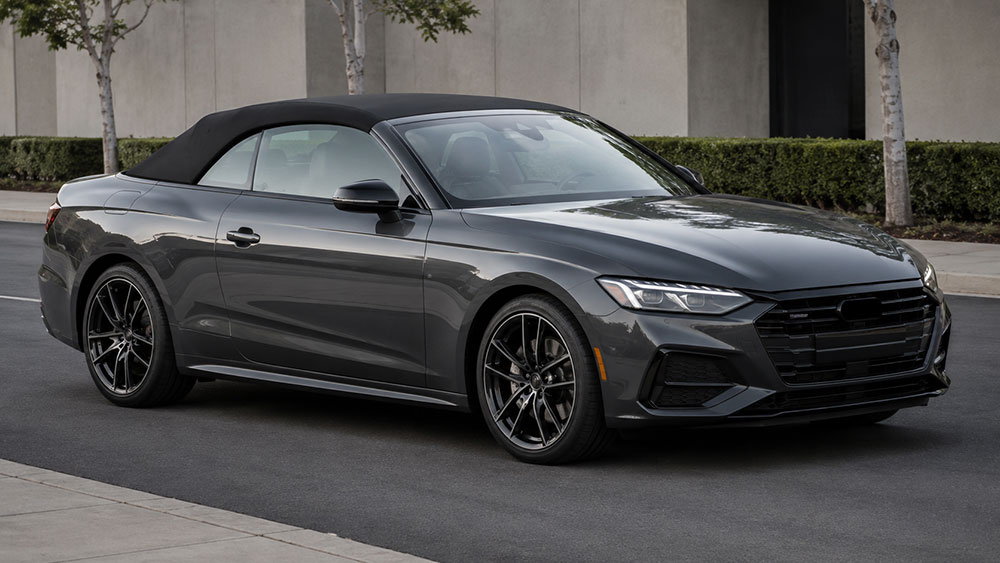
The Roof Is Not the Only Safety Factor
In a crash, occupant protection depends on the frame, airbags, seat belts, crumple zones, and electronic stability systems. A soft top may not provide the same overhead structure as a hard roof, but many convertibles include reinforced windshield pillars, stronger body structures, and rollover protection systems that help reduce risk.
Model Design Matters More Than the Category
Not all convertibles are built the same. A newer soft top convertible with advanced safety features may offer better protection than an older hardtop vehicle without modern crash technology. Checking safety ratings, vehicle condition, and available safety systems is more useful than judging the vehicle only by whether it has a soft top.
Rollover Safety in Soft Top Convertibles
Are soft top convertibles safe in rollover situations? This is one of the biggest concerns for buyers. While no open-top vehicle can behave exactly like a fixed-roof car in a rollover, modern convertibles often include features designed to improve occupant protection.
Rollover Protection Systems
Many convertibles use reinforced A-pillars, fixed roll hoops, or pop-up rollover bars that deploy when sensors detect a rollover risk. These systems are designed to help preserve occupant space and reduce injury risk during severe incidents.
Seat Belts Still Matter Most
Seat belts are critical in any vehicle, but they are especially important in convertibles. Wearing a seat belt helps keep occupants properly positioned within the protection zone created by the vehicle’s safety systems. No rollover feature can work as intended if passengers are not restrained.
Soft Top Material and Everyday Safety
When considering are soft top convertibles safe, everyday protection also matters. Soft top material affects weather resistance, visibility, security, and cabin comfort.
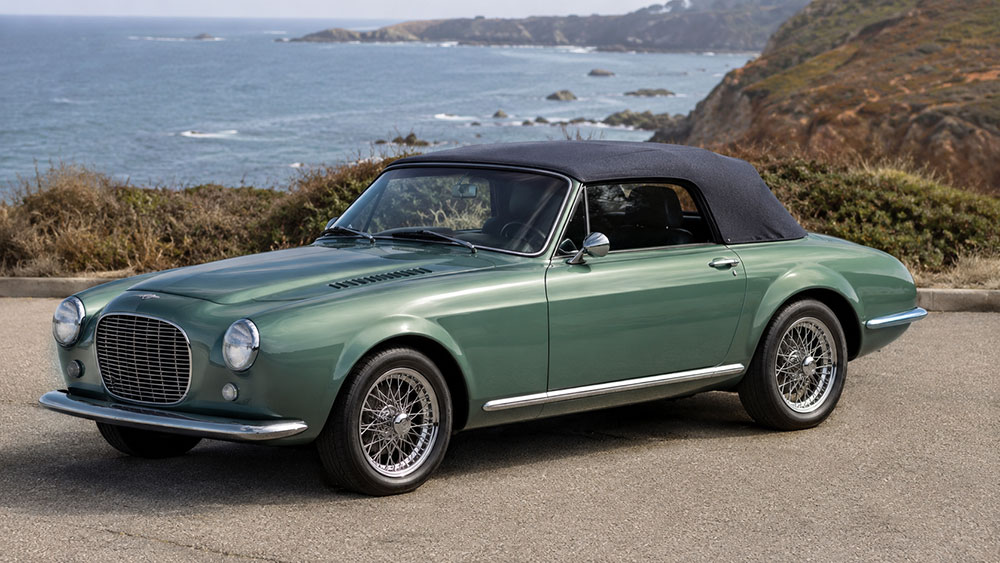
Weather Protection and Visibility
A well-maintained soft top should seal properly against rain, wind, and road noise. Clear rear windows, strong seams, and properly functioning latches all contribute to safer daily driving. If the rear window is cloudy or the top leaks, visibility and comfort can be compromised.
Security Considerations
Soft tops are more vulnerable to cuts or forced entry than metal roofs. Parking in secure areas, locking valuables out of sight, and maintaining the top’s material can reduce risk. A damaged or sagging top should be addressed because poor fit can make the vehicle less secure.
Maintenance That Helps Keep a Soft Top Convertible Safer
Are soft top convertibles safe over the long term? They can be, but maintenance plays a major role. A neglected soft top can create problems with leaks, visibility, and operation.
Inspect Seams, Latches, and Weather Seals
Check the top regularly for fraying seams, loose stitching, cracked seals, and latch issues. These small problems can become larger safety and comfort concerns if ignored. A secure, properly latched top reduces wind noise, water intrusion, and unexpected movement.
Keep Windows and Materials in Good Condition
Plastic rear windows can haze or crack over time. Fabric and vinyl tops can fade, shrink, or tear if not cleaned and protected properly. Maintaining these parts helps preserve visibility, weather resistance, and overall vehicle usability.
Driving Habits That Improve Convertible Safety
Even the safest vehicle depends on driver behavior. Soft top convertibles are enjoyable, but they reward responsible driving and awareness.
Avoid Aggressive Driving in Poor Conditions
Rain, high winds, and slick roads increase risk in any vehicle. Convertibles may feel more exposed, so smooth braking, steady steering, and reduced speed are smart habits in poor weather.
Keep Loose Items Secure
With the top down, loose items can move around or fly out. Even with the top up, keeping the cabin organized helps reduce distractions and prevents objects from interfering with pedals, controls, or visibility.
Two Extra Safety Factors Owners Often Overlook
Beyond crash protection and soft top condition, two everyday details can influence safety and comfort more than many drivers realize.
Heat, Sun, and Cabin Exposure
Convertibles often get more sun exposure, especially when driven top-down. UV rays can damage upholstery, dry out surfaces, and make seats uncomfortable. Protecting the interior helps maintain a cleaner, safer, and more comfortable driving environment.
FAQ
Are soft top convertibles safe in accidents?
Yes, many modern soft top convertibles are designed with reinforced structures, airbags, seat belts, and rollover protection features. Safety depends on the specific model and condition.
Are soft top convertibles safe in rollovers?
They can include rollover protection systems, but seat belts are essential. A soft top is not a fixed metal roof, so choosing a model with strong rollover protection is important.
Is a hardtop convertible safer than a soft top?
A hardtop may offer more roof structure, but total safety depends on the vehicle design, crash protection systems, and safety ratings. A newer soft top can be safer than an older hardtop vehicle.
Do soft tops leak more than hardtops?
They can leak if seals, seams, or latches are worn. A properly maintained soft top should provide reliable weather protection.
How can I make my soft top convertible safer?
Maintain the top, inspect seals and latches, wear seat belts, check safety ratings before buying, drive responsibly, and keep the interior clean and secure.
Conclusion
So, are soft top convertibles safe? In most cases, yes, especially when the vehicle is modern, well-maintained, and equipped with strong safety systems. The soft top itself is not the main safety structure, but the overall vehicle design, restraint systems, rollover protection, and driver habits all work together to protect occupants.
At Auto Tops Direct, we know that a convertible top is more than just a design feature — it is a key part of your vehicle’s comfort, protection, and performance. That is why we provide high-quality replacement convertible tops built for durability, precise fitment, and dependable weather resistance. Whether you are restoring an older convertible or upgrading your current top, Auto Tops Direct helps keep your vehicle looking great and performing confidently on every drive.
average lifespan of a convertible top is usually around 5 to 10 years, but that range depends heavily on the material, climate, storage habits, cleaning routine, and how often the top is raised and lowered. A garaged convertible with a well-maintained cloth top can last longer, while a vehicle exposed to constant sun, rain, salt, and improper cleaning may need replacement sooner.
Understanding the average lifespan of a convertible top helps owners plan maintenance, spot early warning signs, and know when repair is no longer enough. A convertible top is not just a styling feature. It protects the cabin from weather, supports driving comfort, and plays a major role in the vehicle’s overall appearance.
What Is The Average Lifespan Of A Convertible Top?
average lifespan of a convertible top depends on whether the top is vinyl, canvas, or a premium fabric material. Most owners can expect several years of service, but the real lifespan comes down to maintenance and exposure.
Typical Lifespan Range For Soft Convertible Tops
In general, a properly maintained convertible top can last about 5 to 10 years. Some tops last longer when the vehicle is stored indoors, cleaned regularly, and protected from harsh weather. Others may wear out earlier if the car is parked outside daily, driven in extreme climates, or exposed to dirt, tree sap, bird droppings, and UV rays without protection.
A convertible top lifespan FAQ from World Upholstery notes that vinyl tops and high-quality canvas tops can have different service-life expectations, with material quality, cleanliness, dryness, folding frequency, and sun exposure all influencing durability.
Why Some Convertible Tops Last Longer Than Others
Two vehicles with the same top material can age very differently. A weekend convertible stored in a garage may keep its shape, color, and water resistance for years longer than a daily driver parked outdoors. The top’s condition is also affected by how gently it is operated, whether it is folded while wet, and whether the frame is aligned properly.
This is why experienced convertible owners inspect the top regularly instead of relying only on age. If the stitching, seams, rear window, and weather seals still look strong, the top may continue performing well. If leaks, shrinkage, cracks, or fading appear, the top may be nearing the end of its useful life.
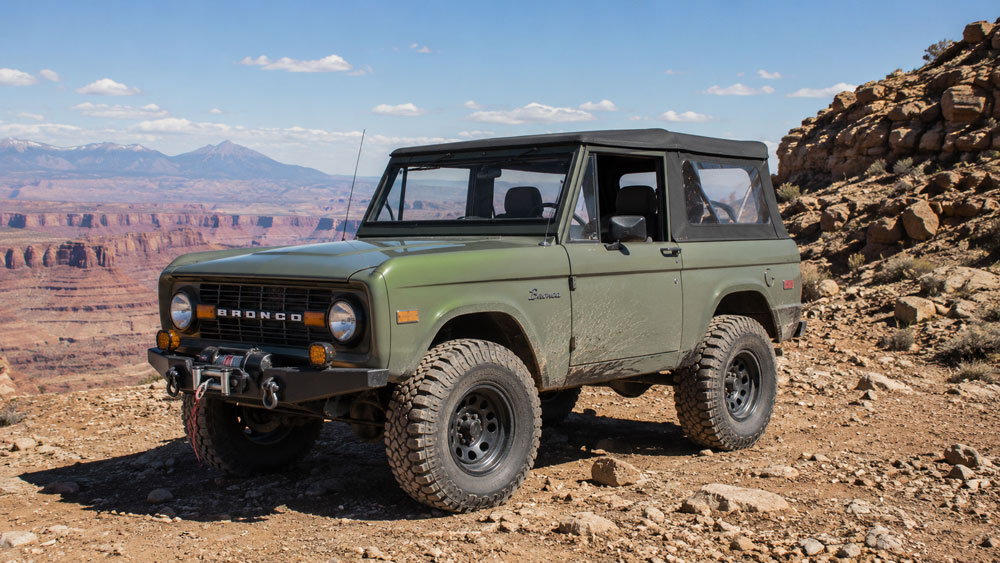
How Material Affects The Average Lifespan Of A Convertible Top
average lifespan of a convertible top is closely connected to material quality. Vinyl and cloth tops can both perform well, but they age differently and require different care routines.
Vinyl Convertible Tops
Vinyl tops are often valued for affordability, water resistance, and easier cleaning. They can be a practical choice for many vehicles, especially when owners want a classic appearance and straightforward maintenance. However, vinyl can become brittle over time if it is exposed to intense sun, freezing temperatures, harsh chemicals, or neglect.
A vinyl top should be cleaned with products designed for convertible materials, not household cleaners or aggressive detergents. Using the wrong products can dry out the surface, weaken the finish, and shorten the top’s service life.
Canvas And Cloth Convertible Tops
Canvas and cloth tops often provide a more premium appearance and may offer better long-term durability when cared for properly. These materials can resist fading better than lower-quality vinyl and may give the vehicle a more refined factory-style look.
Owners comparing materials can review Auto Tops Direct’s guide to replacement convertible top fabric options to understand how different materials affect appearance, durability, and long-term ownership.
Premium Materials And Better Construction
A higher-quality top is not only about the outer fabric. Stitching, seams, window bonding, fitment, and pattern accuracy all affect lifespan. A top made with strong materials but installed poorly may fail earlier than expected. That is why fit, craftsmanship, and proper installation matter just as much as material selection.
Climate And Storage Conditions That Affect Convertible Top Life
average lifespan of a convertible top can change significantly based on where and how the vehicle is stored. Weather exposure is one of the biggest factors in premature wear.
Sun, Heat, And UV Exposure
Sunlight can fade fabric, dry out vinyl, weaken stitching, and reduce water resistance over time. Vehicles parked outdoors in hot climates may show fading, cracking, and shrinking sooner than vehicles kept in shaded or garaged spaces. A quality protectant and covered storage can help reduce the damage caused by UV exposure.
Rain, Snow, Salt, And Moisture
Moisture can lead to mildew, staining, odor, and seam deterioration if the top is not allowed to dry properly. Snow and ice can also stress the material if removed incorrectly. A Haartz winter care guide advises softening snow and ice before removal and avoiding harsh scraping tools that could damage vinyl or cloth surfaces.
Garage Storage And Vehicle Covers
Storing a convertible indoors can help extend the top’s life by reducing sun, rain, wind, dust, and temperature swings. If garage storage is not available, a breathable car cover designed for outdoor use can help protect the top. However, the cover should not trap moisture against the material, because trapped dampness can create new problems.
Cleaning Habits That Extend The Average Lifespan Of A Convertible Top
average lifespan of a convertible top improves when owners clean it correctly and consistently. The goal is to remove dirt before it becomes embedded without damaging the fabric, seams, or protective finish.
Use The Right Cleaner For The Material
Convertible tops should be cleaned with products designed for vinyl or fabric soft tops. Harsh household detergents, bleach, petroleum-based products, and aggressive degreasers can damage the material. The Haartz convertible top cleaning guide recommends identifying the top material first so the correct cleaning method can be used.
Avoid Rough Brushes And High Pressure
A soft brush, gentle cloth, and low-pressure rinse are safer than aggressive scrubbing or high-pressure washing. Too much force can fray fabric, weaken seams, or drive water into areas where it should not go. Gentle cleaning may take longer, but it helps protect the top’s appearance and structure.
Let The Top Dry Before Folding
Folding a wet convertible top can trap moisture inside the layers and creases. Over time, this can encourage mildew, odor, discoloration, and material breakdown. Whenever possible, let the top dry fully before lowering it, especially before parking or storing the vehicle.
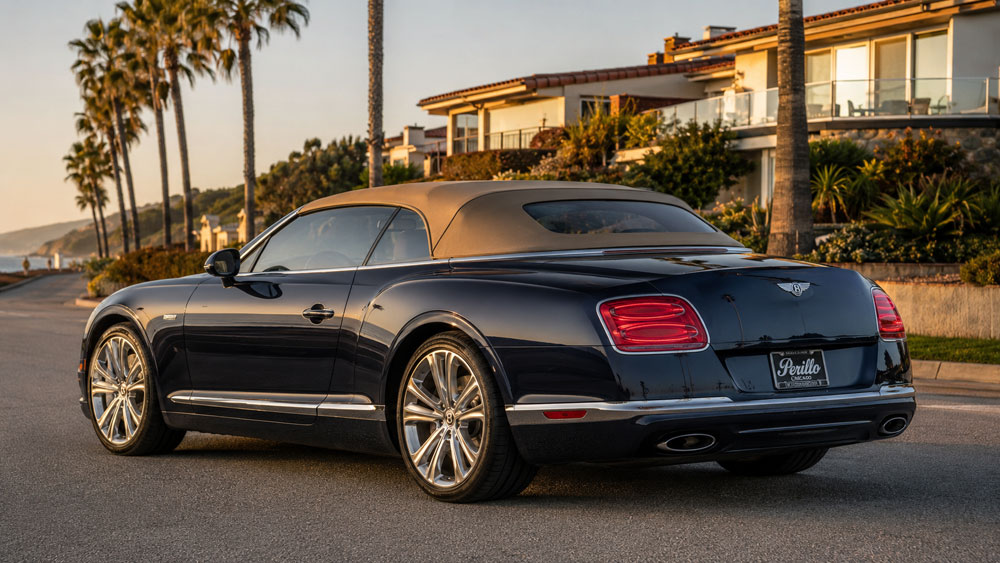
Warning Signs Your Convertible Top Is Nearing The End Of Its Life
average lifespan of a convertible top is helpful, but condition matters more than age alone. A 6-year-old top may need replacement if it leaks, while a 12-year-old top may still perform well if it has been carefully maintained.
Cracks, Tears, And Worn Seams
Small surface marks may not always require replacement, but cracks, open seams, frayed stitching, and torn corners should be taken seriously. These issues can allow water into the cabin and may spread with continued use. Owners dealing with minor damage can review Auto Tops Direct’s guide on whether tears or cuts on a convertible top can be repaired.
Water Leaks And Interior Dampness
Leaks are one of the clearest signs that the top, seals, window bonding, or alignment may be failing. If water enters around the rear window, side seals, header area, or seams, the problem should be inspected quickly. Delaying repairs can lead to interior stains, mold, electrical issues, and upholstery damage.
Shrinking, Sagging, Or Poor Fit
A convertible top should fit tightly without excessive wrinkles, sagging, or gaps. If the material shrinks, pulls away from the frame, or no longer seals correctly, replacement may be the best option. Fit issues can also place extra stress on motors, latches, cables, and the convertible frame.
Repair Vs Replacement: How To Decide
The average lifespan of a convertible top can help you decide whether repair or replacement makes more sense. The decision usually depends on the size of the damage, the age of the top, and whether leaks or structural problems are present.
When Repair May Be Enough
Repair may be reasonable for small isolated issues, such as minor seam separation, small punctures, or limited window bonding concerns. If the top is still flexible, properly fitted, and mostly weather-tight, a professional inspection may confirm that repair is the smarter short-term choice.
Auto Tops Direct also offers guidance on convertible top repair supplies for owners who want to understand what types of repair products are available.
When Full Replacement Is Smarter
Replacement is usually the better choice when the top has multiple leaks, brittle material, severe fading, stretched seams, shrinking, cracked windows, or repeated repairs that no longer hold. At that point, replacing the top can restore appearance, weather protection, and confidence.
If you are budgeting for replacement, Auto Tops Direct’s guide on how much to replace a convertible top can help you understand the factors that affect overall cost.
How Installation Quality Impacts Convertible Top Lifespan
The average lifespan of a convertible top depends not only on the top itself, but also on how well it is installed. A premium material can fail early if tension, alignment, or sealing is incorrect.
Proper Fit Protects The Material
A properly fitted top distributes tension evenly across the frame. If the top is too tight, it may strain seams and latches. If it is too loose, it may flap, leak, sag, or wear unevenly. Fit accuracy is especially important around windows, side rails, rear seams, and the front header.
Auto Tops Direct’s Perfect Fit Guarantee reflects how important fitment is to the final result. A convertible top should look clean and perform reliably after installation.
Professional Installation Helps Prevent Early Failure
Some experienced owners may handle certain installation tasks, but many convertible tops are best installed by trained professionals. Professional installers understand frame adjustment, tensioning, weather seals, window placement, and material handling. Owners can use Auto Tops Direct’s locate an installer page to find installation support.
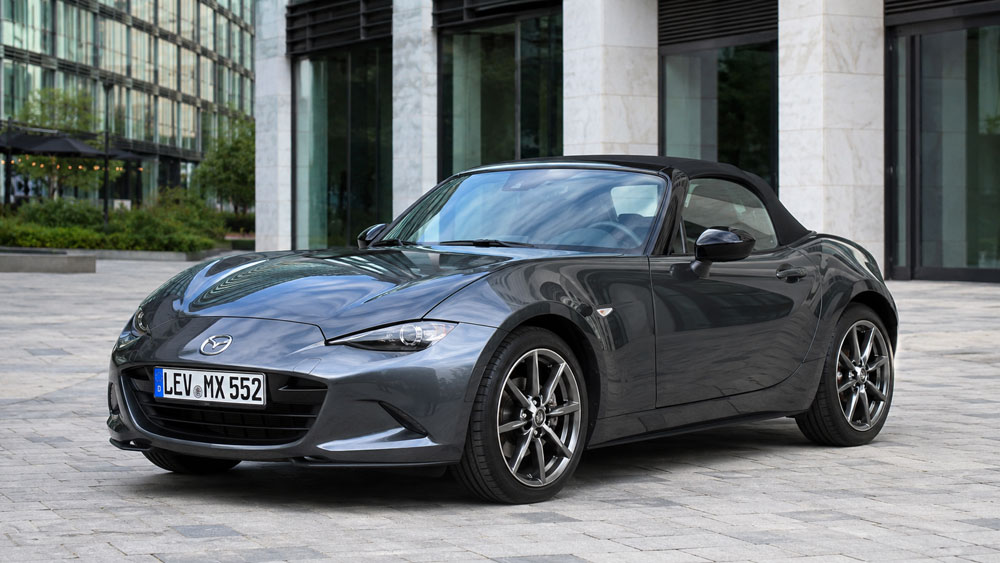
Two Additional Factors Most Owners Overlook
average lifespan of a convertible top is also affected by habits that owners may not think about every day. Small usage patterns can either protect the top or wear it down faster.
How Often You Raise And Lower The Top
Every opening and closing cycle places movement on the fabric, seams, folding points, cables, and frame. Normal use is expected, but forcing the top, operating it when misaligned, or lowering it with objects in the folding area can cause damage. If the top resists movement, it should be inspected instead of forced.
Rear Window Condition
The rear window is a major part of convertible top performance. Glass windows may have bonding or defroster concerns, while plastic windows can scratch, yellow, crack, or cloud over time. If the window fails before the fabric does, repair may be possible in some cases, but replacement is often considered when both the window and top material are aging.
FAQ
What Is The Average Lifespan Of A Convertible Top?
The average lifespan of a convertible top is usually around 5 to 10 years, but premium materials and careful maintenance can help some tops last longer.
Do Canvas Convertible Tops Last Longer Than Vinyl?
Often, high-quality canvas or cloth tops can last longer than basic vinyl tops when both are cared for properly. However, climate and maintenance still matter.
How Do I Know If My Convertible Top Needs Replacement?
Common signs include leaks, cracks, torn seams, shrinking, sagging, heavy fading, damaged windows, and repeated repairs that no longer hold.
Can A Convertible Top Last More Than 10 Years?
Yes, a convertible top can last more than 10 years if the vehicle is garaged, cleaned correctly, protected from UV exposure, and operated carefully.
Should I Repair Or Replace My Convertible Top?
Small isolated damage may be repairable, but widespread leaks, brittle material, failed seams, or poor fit usually make replacement the better option.
Conclusion
The average lifespan of a convertible top is typically 5 to 10 years, but the true answer depends on material quality, climate, storage, maintenance, installation, and how the top is used. Regular cleaning, proper drying, gentle operation, and early inspection can help extend its life, while leaks, shrinking, brittle material, and damaged seams are signs that replacement may be needed.
At Auto Tops Direct, we manufacture high-quality soft convertible tops designed for accurate fit, durable performance, and long-lasting style. Whether you are replacing a worn top, upgrading materials, or restoring a convertible to a cleaner factory-style look, our replacement convertible tops are built to help protect your vehicle and keep it looking ready for the road.
Yes, a convertible top can get wet. In fact, convertible tops are designed to handle rain, washing, humidity, and normal outdoor exposure. The real question is not whether the top can get wet, but whether it is clean, properly treated, well-fitted, and in good enough condition to shed water without leaking or absorbing moisture.
Modern convertible tops are typically made from vinyl, canvas, or multi-layer fabric materials that resist water when maintained correctly. However, age, worn seals, clogged drains, damaged stitching, and neglected care can reduce water resistance over time.
Can A Convertible Top Get Wet In The Rain?
Can a convertible top get wet in the rain? Yes, normal rain should not damage a healthy convertible top.
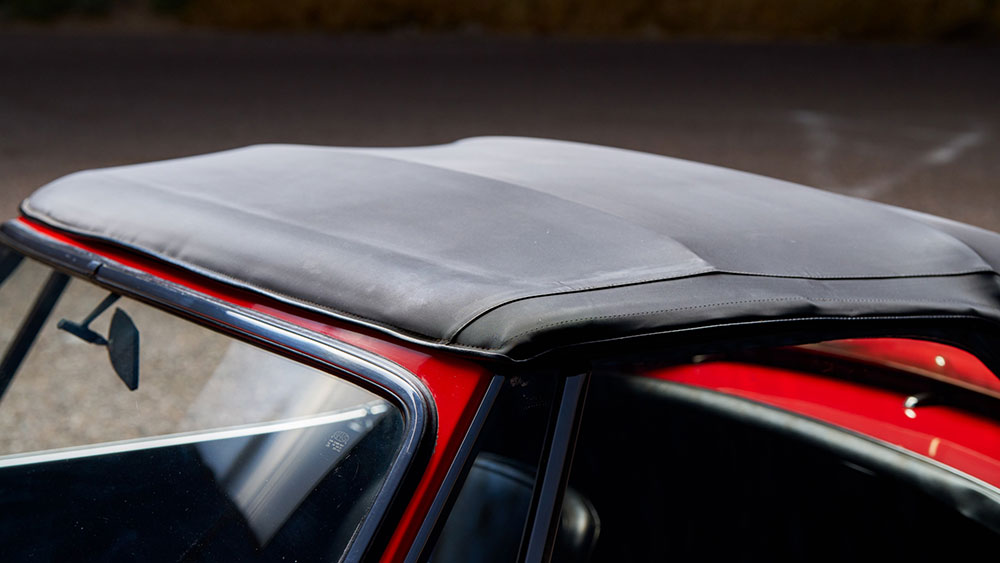
A properly installed and maintained top is designed to repel water, direct runoff away from the cabin, and protect the interior during everyday weather.
Why Rain Usually Is Not A Problem
Convertible tops are engineered to handle wet conditions through water-resistant materials, sealed seams, weatherstripping, and drainage paths. When the top is in good condition, rain should bead on the surface and flow away from the cabin rather than soaking through.
When Rain Can Become A Problem
Rain becomes a concern when the top material is cracked, faded, loose, or no longer repelling water. Worn seals, separated seams, and clogged drains can also cause leaks even if the main top material still looks acceptable. If water enters the cabin after rainfall, the issue should be inspected before it worsens.
Can A Convertible Top Get Wet During A Car Wash?
Can a convertible top get wet during a wash? Yes, but the way it is washed matters.
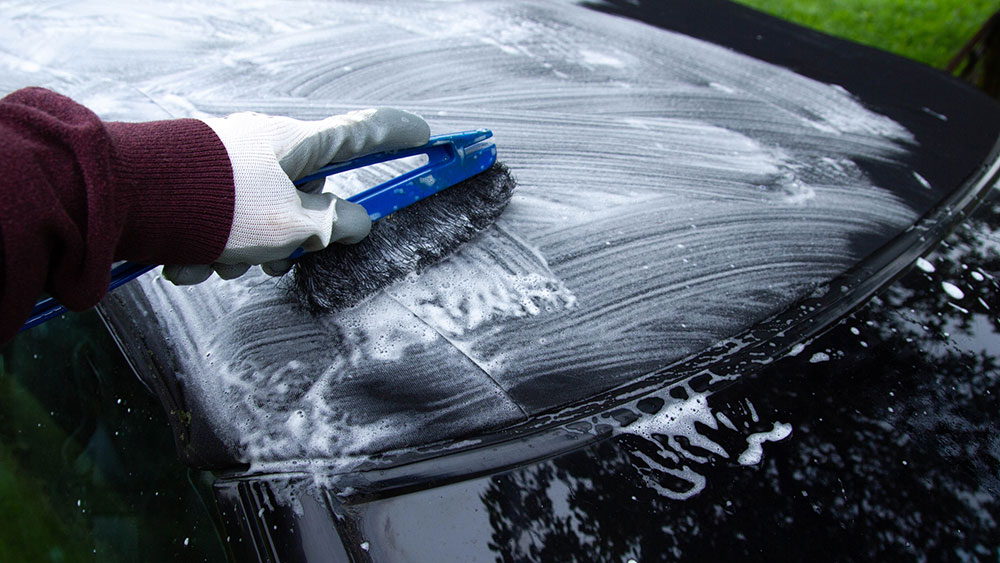
Gentle hand washing is usually safer than automatic car washes because soft top materials and seams can be sensitive to harsh brushes and high-pressure sprays.
Why Hand Washing Is Safer
Hand washing gives you control over pressure, cleaning products, and scrubbing intensity. A soft brush or microfiber mitt with a convertible-top-safe cleaner helps remove dirt without weakening the material or stripping protective treatments.
Risks Of Automatic Car Washes
Automatic car washes can use strong chemicals, stiff brushes, and high-pressure water that may stress seams and seals. Touchless washes may be safer than brush systems, but high pressure can still force water into weak areas. If your top is older or already leaking, avoid automatic washes.
What To Do After A Convertible Top Gets Wet
Knowing what to do after exposure to water is just as important as asking can a convertible top get wet. Proper drying helps prevent mildew, odors, staining, and long-term material damage.
Let The Top Dry Fully Before Lowering It
Avoid folding or lowering a wet convertible top whenever possible. Trapped moisture can encourage mildew and may create creases or discoloration in the material. Let the top air dry completely before storing it in the down position.
Check For Water Inside The Cabin
After heavy rain or washing, inspect the seats, carpets, rear corners, and door areas. Dampness inside the vehicle may indicate seal problems, drainage issues, or seam leaks. Catching moisture early helps prevent mold, odors, and interior damage.
How To Keep A Convertible Top Water-Resistant
Can a convertible top get wet without long-term damage? Yes, especially when the material is regularly cleaned and protected. Water resistance is not permanent, so routine care is essential.
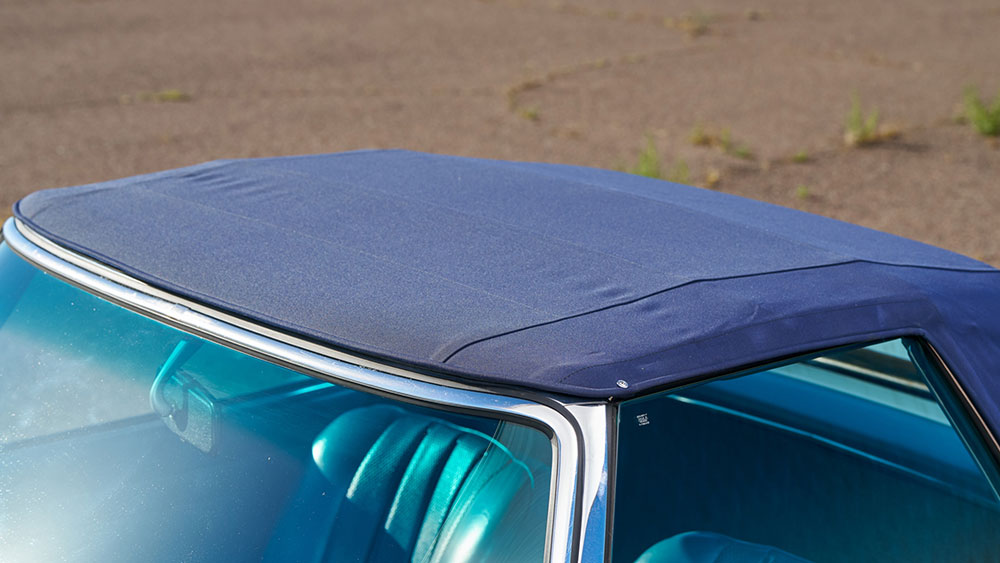
Clean With Convertible-Top-Safe Products
Use products designed for fabric or vinyl tops. Harsh soaps and household cleaners can dry out vinyl or strip fabric protectants. Proper cleaning removes dirt and pollutants that can trap moisture against the surface.
Apply The Right Protectant
Fabric tops often need a water-repellent treatment, while vinyl tops benefit from UV and conditioning products. The correct protectant helps water bead, reduces fading, and supports long-term flexibility.
Two Extra Factors That Affect How Well A Top Handles Water
Two convertible tops can react very differently to water depending on condition, fit, and supporting components. These often-overlooked factors can determine whether water rolls off or enters the cabin.
Weather Seals And Window Alignment
The seals around the windshield, side windows, and rear glass play a major role in keeping water out. If the windows do not meet the seals properly, or the seals have become compressed or cracked, water can leak even when the top material itself is still strong.
Drainage Channels And Debris Buildup
Many convertibles have drainage channels that route water away from the cabin. Leaves, dirt, and debris can block these channels, causing water to back up and enter the interior. Keeping drains clear is a simple but important maintenance step.
Signs Water Is Damaging Your Convertible Top
If you are asking can a convertible top get wet because you have noticed changes in the material, it may be time to inspect the top more closely.
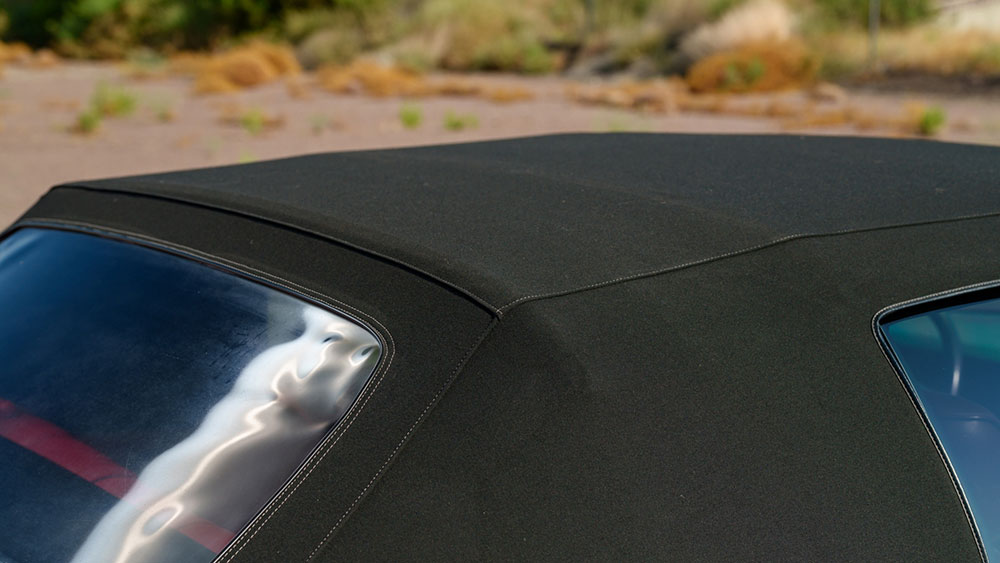
Water should not leave lasting damage when the top is healthy and protected.
Water Soaking Instead Of Beading
If water no longer beads and instead darkens the fabric or soaks into the surface, the top may need cleaning and re-treatment. On older tops, soaking can be a sign that the protective layer has worn away.
Mildew, Odor, Or Interior Dampness
A musty smell, visible mildew, damp carpets, or foggy windows after rain can point to water intrusion. These signs should be addressed quickly because trapped moisture can damage upholstery, electronics, and interior trim.
When A Wet Convertible Top Needs Replacement
A convertible top can get wet safely when it is in good condition, but once the material or structure fails, maintenance may no longer be enough. Replacement may be the better solution when water problems keep returning.
Cracks, Shrinking, And Failed Seams
Cracked vinyl, shrinking fabric, separated seams, and loose rear windows are signs that the top may no longer protect properly. Once these issues become widespread, repeated sealing or spot repairs may only provide temporary results.
Recurring Leaks After Repairs
If leaks return after cleaning, sealing, and minor repairs, the underlying top may be too worn to perform reliably. A replacement top can restore weather protection, appearance, and confidence in wet conditions.
FAQ
Can A Convertible Top Get Wet Every Day?
Yes, but daily exposure requires consistent care. Regular cleaning, proper protectant, and seal inspections help prevent premature wear.
Is Rain Bad For A Convertible Top?
Normal rain is not bad for a healthy top. Problems usually happen when the material is neglected, damaged, or no longer water-resistant.
Can I Put The Convertible Top Down While It Is Wet?
It is best to avoid lowering a wet top. Let it dry fully first to reduce the risk of mildew, creases, and trapped moisture.
Should Water Bead On A Convertible Top?
Yes. Water should usually bead and roll off. If it soaks in, the top may need cleaning, treatment, or inspection.
Can A Wet Convertible Top Cause Mold?
Yes, if moisture gets trapped or the top is folded while wet. Proper drying and ventilation help prevent mold and mildew.
Conclusion
So, can a convertible top get wet? Yes, a well-made and well-maintained convertible top is built to handle rain, washing, and everyday moisture. The key is making sure the material repels water, the seals remain tight, the drains stay clear, and the top is allowed to dry fully before being lowered or stored.
At Auto Tops Direct, we manufacture high-quality replacement convertible tops designed for precise fit, durability, and dependable weather protection. If your current top is leaking, absorbing water, shrinking, or showing signs of age, Auto Tops Direct can help you choose a replacement that restores protection, appearance, and confidence in all kinds of driving conditions.
Soft top convertibles offer freedom, style, and open-air driving, but many owners wonder: are soft top convertibles cold in winter? The answer depends on the quality of the convertible top, the condition of the seals, the vehicle’s heating system, and how well the top has been maintained. A modern soft top convertible in good condition can be surprisingly comfortable in cold weather, but an aging or poorly sealed top can allow drafts, moisture, and heat loss.
While soft tops do not insulate exactly like fixed metal roofs, many are built with layered materials that help retain warmth. With proper care, winter driving in a soft top convertible can be practical, comfortable, and enjoyable.
Are Soft Top Convertibles Cold In Winter Compared To Hardtops?
When asking are soft top convertibles cold in winter, it is important to understand that soft tops and hardtops insulate differently.
A hardtop naturally provides more rigid protection, but a quality soft top can still perform well when it is properly fitted and maintained.
Soft Tops Have Less Natural Insulation
Soft tops are made from fabric, vinyl, or layered materials rather than metal and interior roof lining. Because of this, they may lose heat faster than a fixed-roof vehicle, especially in very cold climates. However, many modern soft tops use multi-layer construction that improves insulation and reduces cabin noise.
Heating System Performance Still Matters
A strong heating system can make a major difference in winter comfort. If the heater works well and the top seals properly, the cabin can warm up effectively. If the heating system is weak or the top has gaps, the car may feel cold no matter how good the material is.

Why Some Soft Top Convertibles Feel Colder Than Others
The answer to are soft top convertibles cold in winter often comes down to condition, not just vehicle type. Two convertibles of the same model can feel very different depending on age, maintenance, and top quality.
Worn Seals And Weatherstripping Let Cold Air In
Weather seals around windows, doors, and the windshield header are critical for keeping cold air out. If seals become cracked, flattened, or misaligned, drafts can enter the cabin and make winter driving uncomfortable. Even a small gap can make the car feel much colder at highway speeds.
Aging Top Material Can Reduce Comfort
Over time, soft top materials can shrink, stretch, crack, or lose flexibility. When that happens, the top may no longer sit tightly against the frame. A loose or aging top can allow more wind noise, cold air, and moisture into the cabin.
How To Make A Soft Top Convertible Warmer In Winter
If you are wondering are soft top convertibles cold in winter because your car feels drafty, there are several ways to improve comfort. Small maintenance steps can make a noticeable difference.
Inspect And Replace Damaged Seals
Start by checking the seals around the windows, windshield, rear glass, and side edges of the top. If they are cracked, compressed, or pulling away, replacement may restore a tighter cabin seal. Good seals help the heater work more efficiently and reduce cold drafts.
Keep The Convertible Top Clean And Treated
Dirt, moisture, and neglected material can reduce top performance over time. Cleaning the top with proper products and applying a suitable protectant helps preserve flexibility and water resistance. A well-maintained top is more likely to seal correctly and withstand cold weather.
Winter Maintenance Tips For Soft Top Convertibles
Winter care is essential when evaluating are soft top convertibles cold in winter. Proper seasonal maintenance helps protect the top from freezing, cracking, and moisture damage.
Avoid Lowering The Top In Freezing Temperatures
Cold temperatures can make soft top material stiff and less flexible. Lowering the top when it is frozen or extremely cold can cause creasing, cracking, or stress on seams. Let the material warm up before operating it whenever possible.
Remove Snow And Ice Gently
Never scrape a soft top aggressively. Use a soft brush to remove snow and allow ice to melt naturally when possible. Sharp tools can damage fabric, vinyl, stitching, and rear windows.
Two Additional Factors That Affect Winter Comfort
Beyond the top material itself, two overlooked details can influence whether a soft top convertible feels warm or cold during winter.
Cabin Sound And Wind Noise
Cold perception is not only about temperature. Excess wind noise can make the cabin feel less insulated and less comfortable. A tight-fitting convertible top reduces wind noise and helps create a more secure, warmer-feeling interior.
Rear Window Condition
A cloudy, cracked, or poorly sealed rear window can allow drafts and moisture into the cabin. If the rear window is separating from the top or no longer seals well, winter comfort can suffer significantly.
When A Replacement Top Is The Best Winter Solution
Sometimes the question are soft top convertibles cold in winter points to a deeper issue: the top may be past its service life.
Maintenance can help, but it cannot fully restore a top that is badly worn, shrinking, or leaking.
Signs Your Top Is No Longer Insulating Properly
If you notice constant drafts, water leaks, loose fabric, cracked vinyl, failing seams, or excessive wind noise, the top may no longer provide proper protection. These issues usually worsen during winter because cold air and moisture expose weak points quickly.
How A New Top Improves Comfort
A properly fitted replacement top can improve weather resistance, reduce drafts, lower road noise, and restore a cleaner appearance. Newer materials and better fitment can make the cabin feel more comfortable in both winter and summer.
Choosing The Right Convertible Top Material For Winter
Material choice matters when considering are soft top convertibles cold in winter. Some materials provide better insulation and long-term comfort than others.
Multi-Layer Cloth Tops
Multi-layer cloth tops often provide better insulation and sound control than basic single-layer materials. They are common on higher-end convertibles and can offer a more refined driving experience in colder months.
Vinyl Tops
Vinyl tops are durable and water-resistant, but they can become stiff in cold temperatures if not maintained. Regular cleaning and conditioning help preserve flexibility and prevent cracking.
FAQ
Are soft top convertibles cold in winter?
They can be slightly colder than hardtop vehicles, but a modern soft top in good condition can still be comfortable with proper seals and a working heater.
Can you drive a soft top convertible in snow?
Yes, but it requires care. Keep the top closed, avoid operating it when frozen, and remove snow gently to prevent damage.
Do soft top convertibles leak in winter?
They should not leak if the top, seals, and windows are in good condition. Leaks usually indicate worn seals, damaged seams, or aging material.
How can I keep my convertible warmer in winter?
Maintain the seals, keep the top clean, avoid lowering it in freezing weather, and replace worn top material when needed.
Is a cloth convertible top warmer than vinyl?
Often, yes. Multi-layer cloth tops may provide better insulation and sound control, while vinyl tops are valued for durability and water resistance.
Conclusion
So, are soft top convertibles cold in winter? They can feel colder than hardtop vehicles in extreme conditions, but a quality soft top with strong seals, clean material, and proper fitment can keep the cabin comfortable for everyday winter driving. Most cold-weather issues come from worn seals, aging material, poor alignment, or neglected maintenance rather than the soft top design alone.
At Auto Tops Direct, we manufacture high-quality replacement convertible tops designed for precise fit, durability, and dependable weather protection. If your soft top feels drafty, noisy, or worn out during winter, upgrading to a properly fitted replacement can restore comfort, improve protection, and help you enjoy your convertible with confidence in every season.
Convertible owners often ask: are convertible tops waterproof? The honest answer is that most modern convertible tops are designed to be highly water-resistant, but they are not always completely waterproof in the same way a fixed metal roof is. A well-made, properly installed, and well-maintained convertible top should keep rain out during normal conditions, but seals, seams, material age, and maintenance all affect performance.
Understanding the difference between waterproof and water-resistant helps you protect your vehicle, prevent leaks, and know when your top may need service or replacement.
Are Convertible Tops Waterproof Or Water-Resistant?
When asking are convertible tops waterproof, it is important to understand how soft tops are built. Convertible tops are usually made from vinyl, canvas, or multi-layer fabric materials that are designed to repel water and protect the cabin.
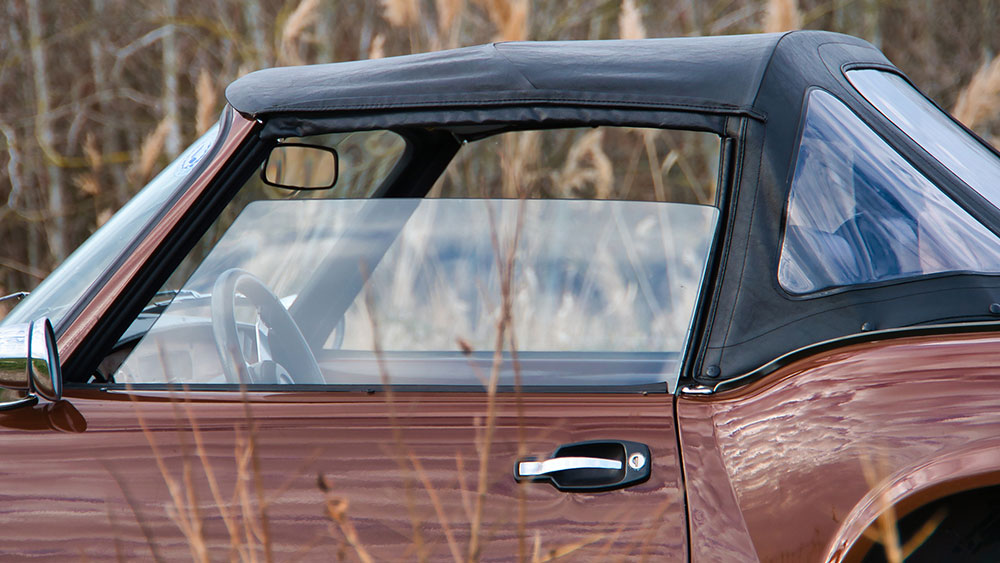
What Water-Resistant Really Means
A water-resistant convertible top is designed to shed rain and prevent moisture from soaking through during normal use. Water should bead, roll off, and drain away through the vehicle’s designed channels. However, if the top is aging, dirty, poorly treated, or exposed to extreme pressure washing, water may begin to seep through weak points.
Why “Waterproof” Depends On The Whole System
The top material is only one part of weather protection. Seams, stitching, seals, windows, latches, and drainage channels all work together. Even if the fabric or vinyl is in good condition, worn seals or clogged drains can still cause leaks inside the cabin.
Why Convertible Tops Start Leaking
Many drivers search are convertible tops waterproof after noticing damp seats, foggy windows, or water near the floor. Leaks usually develop when one part of the top system stops doing its job.
Aging Seals And Weatherstripping
Rubber seals around the windows, windshield header, and rear sections can dry out, shrink, or crack over time. Once seals no longer compress properly, rain can enter even if the top material itself is still in decent shape.
Worn Seams And Stitching
Convertible tops flex every time they open and close. Over time, stitching and seam areas can weaken. These areas are common leak points because they experience both movement and weather exposure.
Clogged Drain Channels
Many convertibles are designed with drainage channels that move water away from the cabin. If leaves, dirt, or debris block these paths, water can overflow into the vehicle and make it seem like the top is leaking.
How To Tell If Your Convertible Top Is Still Protecting You
If you are wondering are convertible tops waterproof in your specific vehicle, a simple inspection can reveal whether the top is still performing properly.

Small signs often appear before major leaks develop.
Check For Water Beading
After light rain or a gentle rinse, water should bead and roll off the surface. If water soaks into the material or leaves dark wet patches, the protective treatment may be wearing down.
Inspect The Interior After Rain
After rainfall, check carpets, seat edges, door panels, and rear corners for dampness. Moisture in these areas may indicate seal issues, window alignment problems, or blocked drainage rather than fabric failure alone.
Look For Cracks, Shrinking, Or Loose Edges
Visible cracking, pulling at seams, loose trim, or shrinking around the rear window are signs the top may be losing its ability to protect the cabin reliably.
How To Maintain Water Resistance
Convertible tops need regular care to remain weather-resistant. If you are asking are convertible tops waterproof because yours has started absorbing water, maintenance may restore performance if the material is still structurally sound.
Clean The Top With The Right Products
Use cleaners made specifically for convertible tops. Harsh detergents, household cleaners, and abrasive brushes can strip protective coatings or weaken the material. Gentle cleaning removes dirt that can trap moisture and accelerate wear.
Apply Fabric Or Vinyl Protectant
Fabric and vinyl tops benefit from material-specific protectants. A fabric protectant helps restore water repellency, while vinyl protectants help reduce UV damage and drying. Always apply products to a clean, dry top and follow cure-time instructions.
Avoid High-Pressure Washing
High-pressure water can force moisture through seams, seals, and window edges. Hand washing with gentle water flow is usually safer and helps preserve long-term performance.
Two Extra Factors That Affect Water Protection
Beyond cleaning and sealing, two overlooked factors often determine whether a convertible top continues to keep water out.
Proper Top Alignment
If the top frame is misaligned, the material may not sit evenly against the seals. This can create small gaps that allow water and wind to enter. Alignment issues may also cause uneven wear, wrinkles, or latch problems.
Window And Rear Glass Fit
Convertible tops often leak around side windows or rear glass areas. If the glass does not meet the seals correctly, or if the rear window bonding weakens, water can enter even when the main top material looks fine.
When A Convertible Top Needs Replacement
Sometimes the answer to are convertible tops waterproof depends on whether the top is simply past its service life. Maintenance can help, but it cannot reverse severe material breakdown.
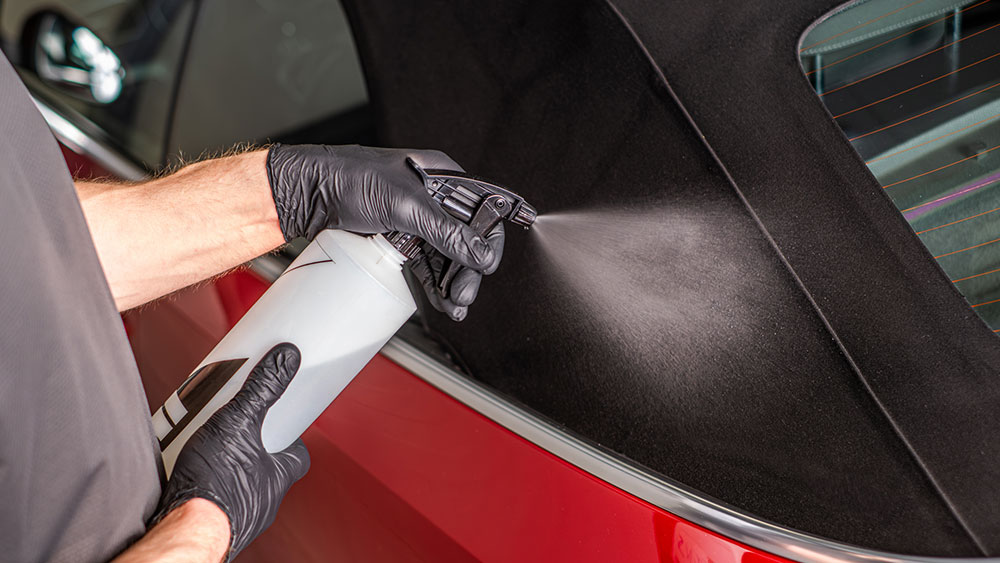
Signs Maintenance Is No Longer Enough
If the top has widespread cracking, repeated leaks, brittle material, shrinking, or seam separation, reapplying protectant will not solve the underlying problem. These are signs that replacement may be the smarter long-term solution.
Why Replacement Restores More Than Appearance
A new top can improve weather protection, reduce wind noise, enhance cabin comfort, and restore the vehicle’s overall appearance. Proper fit and quality materials are essential for reliable water resistance.
Choosing A Replacement Convertible Top For Better Weather Protection
If your current top no longer performs well, choosing the right replacement can make a major difference in long-term satisfaction.
Choose Quality Materials
Premium vinyl and cloth materials are designed to resist rain, UV exposure, and daily wear. Better materials maintain flexibility and appearance longer, helping the top perform reliably through changing weather.
Prioritize Precision Fit
A convertible top must fit the vehicle correctly to seal properly. Even high-quality material can leak if the top is poorly fitted or installed incorrectly. Vehicle-specific fitment is key to dependable performance.
FAQ
Are convertible tops waterproof in heavy rain?
A properly maintained convertible top should keep rain out during normal storms, but extreme weather, worn seals, or aging material can cause leaks.
Why does my convertible top leak?
Common causes include worn weatherstripping, weakened seams, clogged drains, poor window alignment, or aging top material.
Can I make my convertible top waterproof again?
You may be able to restore water resistance with proper cleaning and protectant if the material is still in good condition. Severe cracks, shrinkage, or leaks may require replacement.
Should water bead on a convertible top?
Yes. Water should generally bead and run off. If it soaks in, the top may need cleaning and re-treatment.
Is a vinyl convertible top more waterproof than fabric?
Vinyl is naturally more water-resistant, while fabric tops rely more on protective treatments. Both can perform well when maintained properly.
Conclusion
So, are convertible tops waterproof? Most are best described as highly water-resistant when new, properly installed, and well maintained. The top material, seals, seams, windows, and drainage system all work together to keep water out. If one of those areas fails, leaks can develop even if the rest of the top looks fine.
At Auto Tops Direct, we manufacture high-quality replacement convertible tops built for precise fitment, durability, and dependable weather protection. If your current top is leaking, faded, shrinking, or no longer repelling water properly, Auto Tops Direct can help you choose a replacement designed to restore your vehicle’s appearance, comfort, and protection for the road ahead.
Convertible tops are designed to provide convenience and enjoyment, but when the system stops functioning properly, it can quickly become frustrating. Many drivers ask: why is my convertible top not working? The issue can range from simple electrical problems to more complex hydraulic or mechanical failures.
Modern convertible tops rely on multiple interconnected systems, including motors, sensors, latches, wiring, and hydraulic components. If even one part malfunctions, the entire operation may stop. Understanding the most common causes can help you identify the issue early and avoid more expensive repairs.
Why Is My Convertible Top Not Working Due To Electrical Problems?
One of the most common reasons drivers search for why is my convertible top not working is because of electrical issues.
Since most modern tops are power-operated, they depend heavily on electrical systems to function correctly.
Blown Fuses Or Weak Battery
A blown fuse can completely disable the convertible top system. Similarly, a weak or failing battery may not provide enough power for the motor and hydraulic pump to operate. If your vehicle struggles to start or shows vehicle electrical issues elsewhere, the battery may be contributing to the problem.
Faulty Switches Or Wiring
The convertible top switch itself can wear out over time. Damaged wiring or loose electrical connections may also interrupt communication between the controls and the top mechanism, preventing operation.
Why Is My Convertible Top Not Working Because Of Hydraulic Issues?
Hydraulic systems are another major factor when diagnosing why is my convertible top not working. Many convertibles use hydraulic pumps and cylinders to move the top smoothly.
Low Hydraulic Fluid Levels
If hydraulic fluid levels are low, the system may struggle to generate enough pressure to move the top. This can result in slow movement or complete failure.
Leaking Hydraulic Cylinders
Leaks in hydraulic lines or cylinders are common as vehicles age. Fluid leaks reduce pressure and can eventually prevent the top from operating entirely.
Why Is My Convertible Top Not Working Due To Mechanical Problems?
Mechanical wear and tear can also explain why is my convertible top not working, especially in older vehicles or frequently used systems.
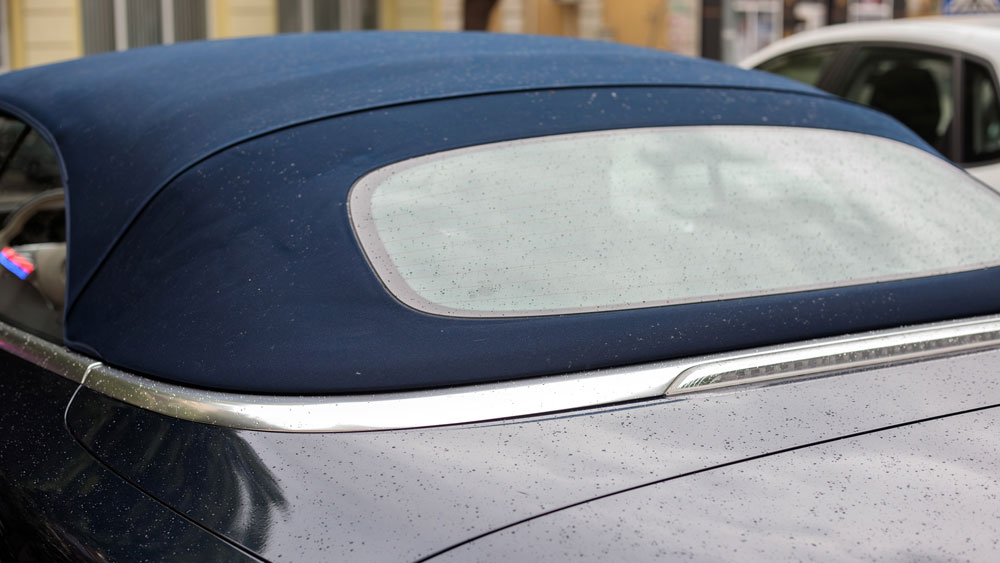
Misaligned Frame Components
The convertible top frame must move in precise alignment. Bent or worn components can cause the mechanism to jam or move unevenly.
Damaged Latches Or Hinges
Latches and hinges experience constant stress during operation. If they become worn or damaged, the top may fail to lock properly or refuse to move.
Why Is My Convertible Top Not Working In Cold Or Wet Weather?
Environmental conditions are often overlooked when asking why is my convertible top not working, but weather can significantly affect operation.
Cold Temperatures Affecting Materials
Cold weather can make convertible top materials and seals stiff, increasing resistance during operation. Hydraulic fluid may also become thicker in low temperatures.
Moisture And Water Damage
Excess moisture can affect electrical components and cause corrosion. Water intrusion may damage switches, sensors, or wiring over time.
Two Additional Reasons Convertible Tops Stop Working
Beyond common electrical and hydraulic issues, there are additional causes that may explain why is my convertible top not working.
Faulty Safety Sensors
Modern convertibles often use sensors to confirm that the trunk, latches, or windows are in the correct position before operating the top. If a sensor fails, the system may shut down as a safety precaution.
Obstructions In The Storage Area
Objects left in the trunk or convertible top storage compartment can block movement and prevent the top from opening or closing properly.
How To Troubleshoot Convertible Top Problems
Basic troubleshooting can help narrow down the cause before seeking professional repair.
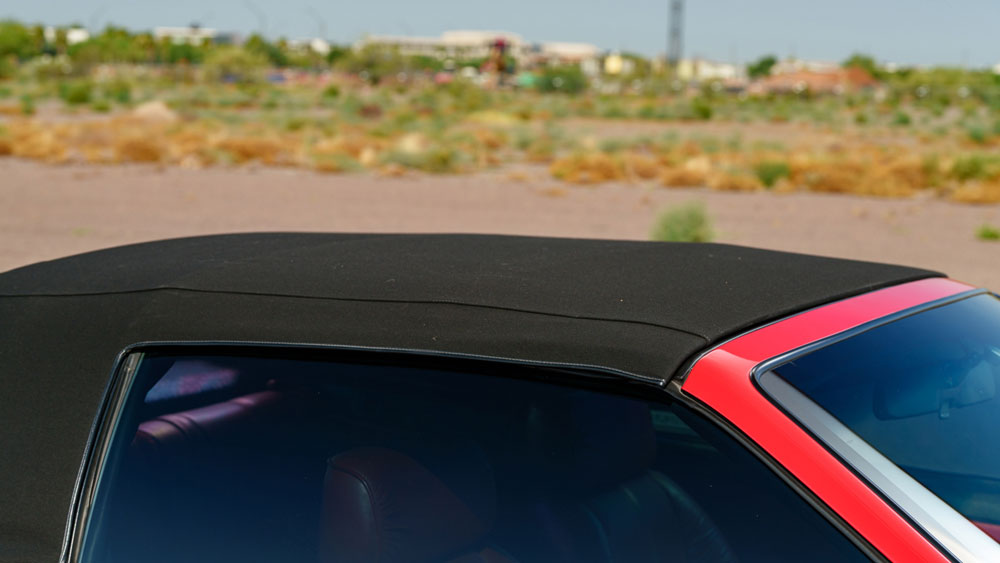
Check The Battery And Fuses First
Inspect the battery condition and check the relevant fuses. Simple electrical issues are often the easiest and least expensive to resolve.
Listen For Motor Or Pump Activity
If you hear the motor running but the top does not move, the issue may be hydraulic or mechanical rather than electrical.
Preventative Maintenance To Avoid Convertible Top Issues
Preventative care is one of the best ways to reduce the likelihood of future problems.
Regular Lubrication Of Moving Parts
Lubricating hinges, joints, and latches helps reduce strain on the mechanism and prevents premature wear.
Routine Inspection Of Seals And Components
Checking seals, wiring, and hydraulic lines regularly allows you to catch small problems before they become major repairs.
When To Seek Professional Help
Some issues require professional diagnosis and repair to avoid causing additional damage.
Persistent Electrical Or Hydraulic Failures
If the top repeatedly fails or only works intermittently, professional inspection is recommended to identify the root cause.
Structural Damage Or Severe Leaks
Bent frames, torn materials, or major hydraulic leaks should be addressed by experienced convertible top specialists.
FAQ
Why is my convertible top not working suddenly?
Sudden failure is often caused by electrical issues such as blown fuses, weak batteries, or faulty switches.
Can low hydraulic fluid stop a convertible top from working?
Yes, low fluid levels can reduce pressure and prevent the hydraulic system from operating properly.
Does cold weather affect convertible tops?
Yes, cold temperatures can stiffen materials and affect hydraulic fluid performance.
How much does it cost to fix a convertible top?
Costs vary depending on the issue, ranging from minor electrical repairs to major hydraulic or structural work.
Can I manually close my convertible top if it stops working?
Many convertibles allow manual operation in emergencies, but the process varies by model.
Conclusion
Understanding why is my convertible top not working helps drivers identify common problems before they turn into major repairs. Electrical faults, hydraulic leaks, mechanical wear, and environmental conditions can all affect performance. Regular maintenance and early troubleshooting are essential for keeping your convertible top functioning smoothly and reliably.
At Auto Tops Direct, we specialize in high-quality convertible tops designed for durability, fit, and long-term performance. Whether you need a replacement top, upgraded materials, or expert guidance, our products are built to withstand real-world conditions while maintaining style and reliability. With Auto Tops Direct, you can keep your convertible looking and operating at its best for years to come.